When Inflammation Drives Depression — and When It Doesn’t
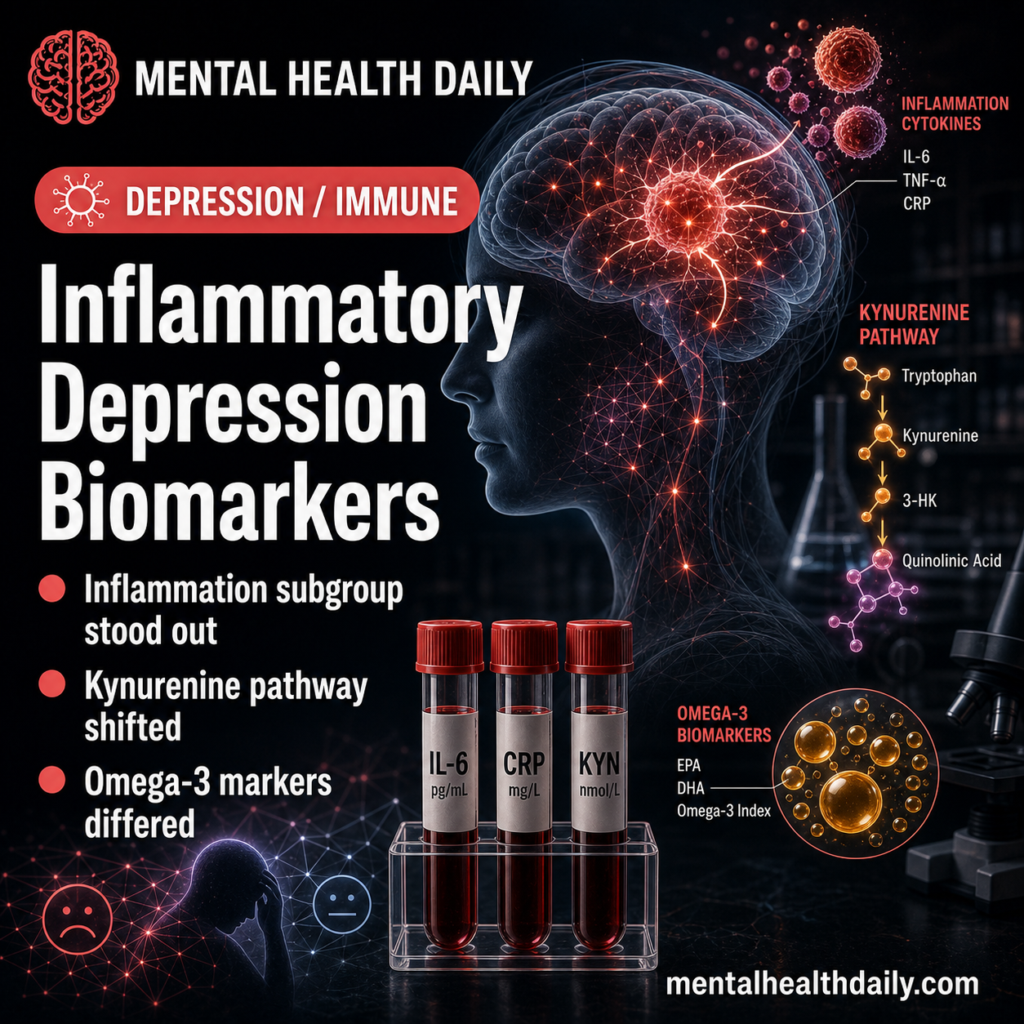
‘Depression is inflammation’ holds for a subgroup of patients, not for everyone. Community-sample and twin data weaken the broader version of the claim.
Modern administrative cohorts find no dementia signal for ECT and link it to lower suicide and mortality. The supportive literature carries known biases worth flagging.
CBT-I beats sleep medications long-term and self-help versions work too. Sleep hygiene alone isn’t enough — the two are routinely conflated.
Exercise reliably reduces depression and anxiety symptoms — but the cardio-vs-resistance gap and antidepressant parity claims are overstated.
Alcohol’s effects on the brain, especially among the elderly, have long been a subject of scientific inquiry. A recent study from Gothenburg, Sweden, provides new insights into how varying levels of alcohol consumption impact brain structure in individuals aged 70 and over. This research sheds light on the relationship between alcohol intake and the aging …
The intricate relationship between the gut microbiome and major depressive disorder (MDD) is gaining significant attention within the scientific community. Emerging research highlights sex-specific disparities in the gut microbiome’s composition and its potential impact on MDD, pointing towards the necessity of integrating sex as a biological variable in future studies. Highlights: Sex Disparities in MDD: …
In a new study leveraging Mendelian Randomization, researchers highlight the complex interplay between psychiatric disorders, specifically major depressive disorder (MDD), and obstructive sleep apnea (OSA). This meticulous investigation sheds light on the genetic predispositions that suggest a causal relationship between MDD and increased risk of developing OSA, offering new insights into the bidirectional interconnections of …