hit counter

Mitophagy & Depression: Mitochondrial Autophagy as an Antidepressant Target?

Depression is a pervasive mental health issue with complex origins and often inadequate treatment options. Recent studies have suggested that mitophagy, the process of selective mitochondrial autophagy, plays a crucial role in the onset and progression of depression, offering new insights into its pathogenesis and potential treatments. Highlights: Major Depressive Disorder (MDD) affects millions globally, …

Read more

Trends in U.S. Medicaid Antidepressant Prescriptions: Newer Drugs & Higher Costs (2023 Analysis)

The U.S. Medicaid program’s spending and prescribing patterns for antidepressants between 2017 and 2021 reveal a significant shift toward newer and costlier medications. Highlights: Rising Expenditure: Medicaid’s spending on antidepressants increased from approximately $1 billion in 2017 to $1.12 billion in 2021. Preference Shift: There’s been a significant shift from older antidepressants like TCAs and …

Read more

Effects of Pramipexole on Reward Learning: Possible Depression Treatment? (2023 Study)

In a significant stride toward understanding and treating depression, a 2023 study meticulously investigates the effects of pramipexole, a dopamine D2-like agonist, on reward learning. By exploring its impact on healthy volunteers through rigorous behavioral and neural assessments, the research offers groundbreaking insights into how this drug (occasionally used in depression) could revolutionize therapeutic strategies …

Read more

Zembrin® (Sceletium tortuosum) for Anxiety & Depression: Testing Alkaloid-Specific Effects (2023 Study)

Sceletium tortuosum (ST) Extract, known as Zembrin®, is a traditional South African remedy was recently evaluated for its nuanced effects on anxiety and depression through a unique study using zebrafish larvae. Highlights: Zebrafish Larvae as Model Organisms: A study used zebrafish larvae to observe Zembrin®’s anxiolytic & antidepressant-like effects, offering a detailed and dynamic understanding …

Read more

Alzheimer’s Disease, Microglia, & Environmental Risk Factors (2024 Evidence)

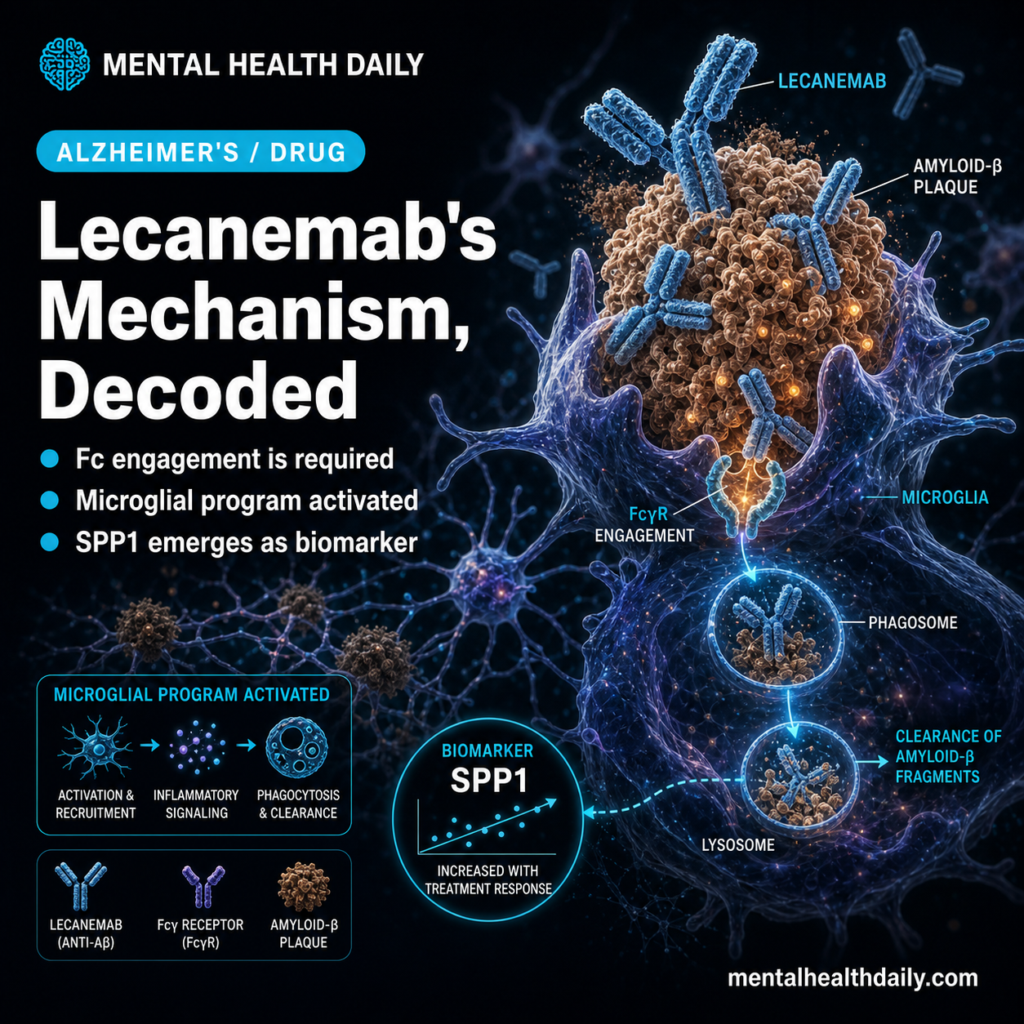
Alzheimer’s disease, a debilitating neurodegenerative condition, is influenced significantly by a blend of genetic, environmental, and lifestyle factors. New research focuses on environmental risk factors and microglia (the brain’s immune cells) for Alzheimer’s development. Highlights: Alzheimer’s Disease and Microglia: Alzheimer’s is characterized by cognitive decline, and microglia play a crucial role in its pathogenesis, acting …

Read more

Considering Lactate in Psychiatric Disorders & Drug Development (2023 Review)

Lactate, traditionally viewed as a simple metabolic byproduct, is emerging as a significant player in the realm of psychiatric disorders. Recent research reveals its intricate role as both an energy source and a signaling molecule, potentially influencing a wide array of mental health conditions. Highlights: Shift in Lactate Perception: The review highlights a paradigm shift …

Read more

MicroRNA Biomarkers May Help Diagnose Schizophrenia

Schizophrenia (SZ) is a complex psychiatric disorder characterized by a myriad of symptoms, typically divided into positive, negative, and cognitive categories. Despite the prevalence and severity of this condition, current diagnostic methods are largely based on subjective clinical interviews and observations, leading to potential misdiagnosis and delayed treatment. Recent studies have focused on microRNAs (miRNAs) …

Read more