Trauma Reminders Increase Drug Cravings — Negative Affect Is the Link
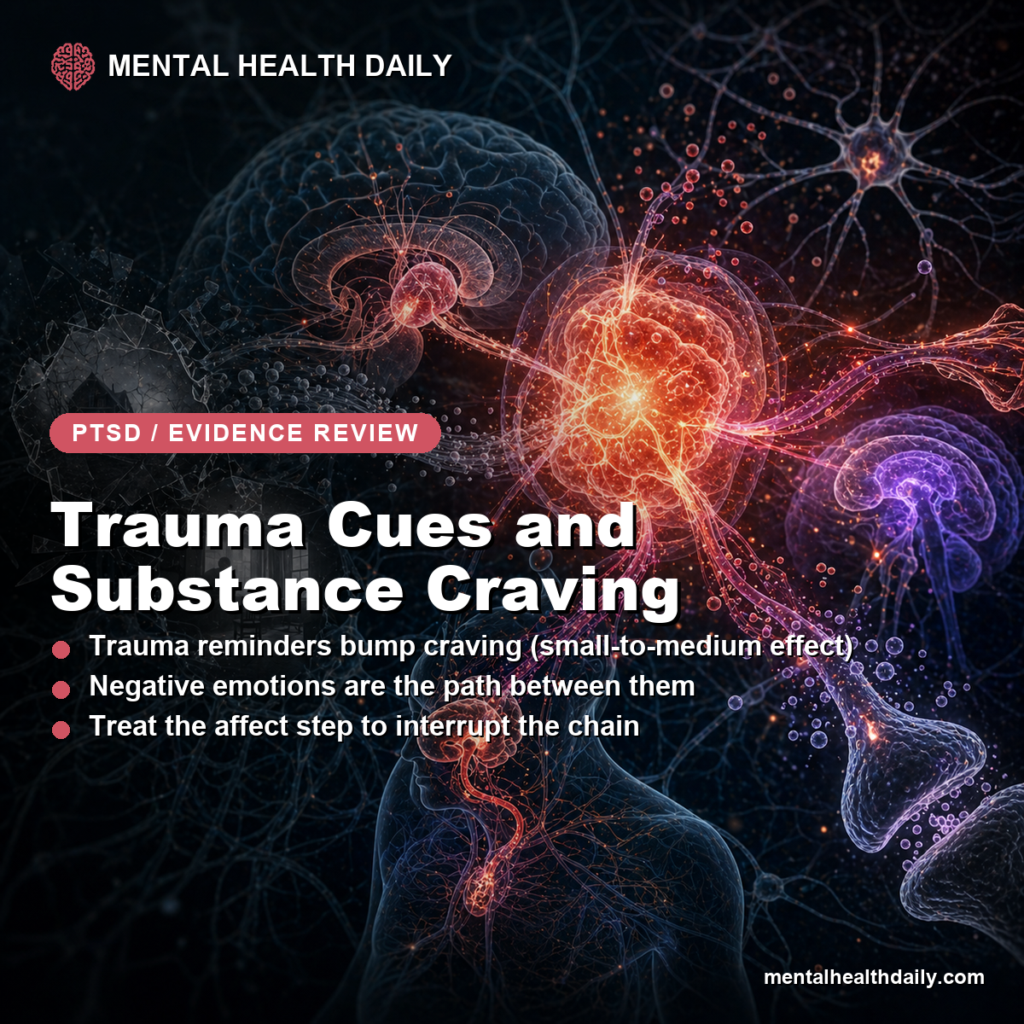
Trauma reminders trigger substance craving — but the path runs through negative emotions, not directly. A 2026 meta-analysis quantifies the link.
Trauma reminders trigger substance craving — but the path runs through negative emotions, not directly. A 2026 meta-analysis quantifies the link.
Loneliness raises measured risk of Alzheimer’s, suicidal ideation, and completed suicide. The associations are documented; the precise magnitudes are not.
‘Depression is inflammation’ holds for a subgroup of patients, not for everyone. Community-sample and twin data weaken the broader version of the claim.
Modern administrative cohorts find no dementia signal for ECT and link it to lower suicide and mortality. The supportive literature carries known biases worth flagging.
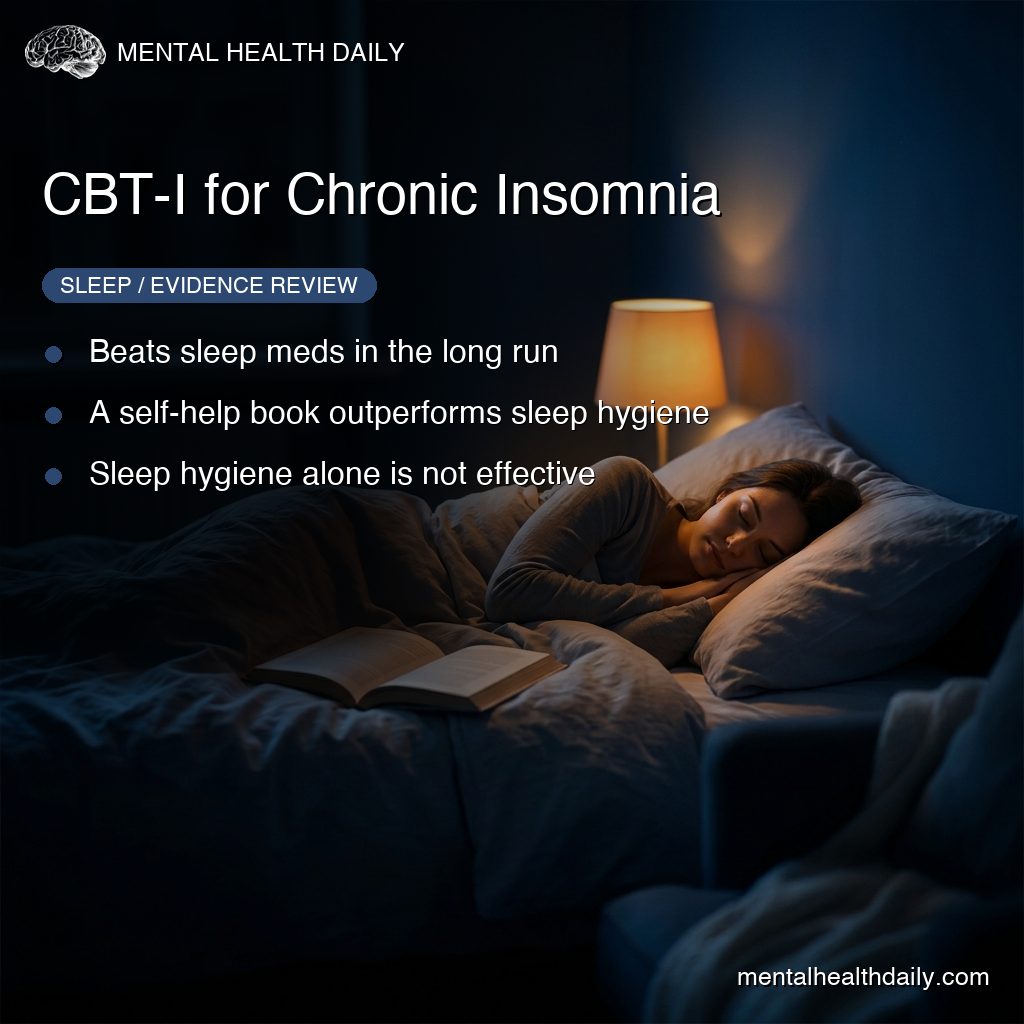
CBT-I beats sleep medications long-term and self-help versions work too. Sleep hygiene alone isn’t enough — the two are routinely conflated.
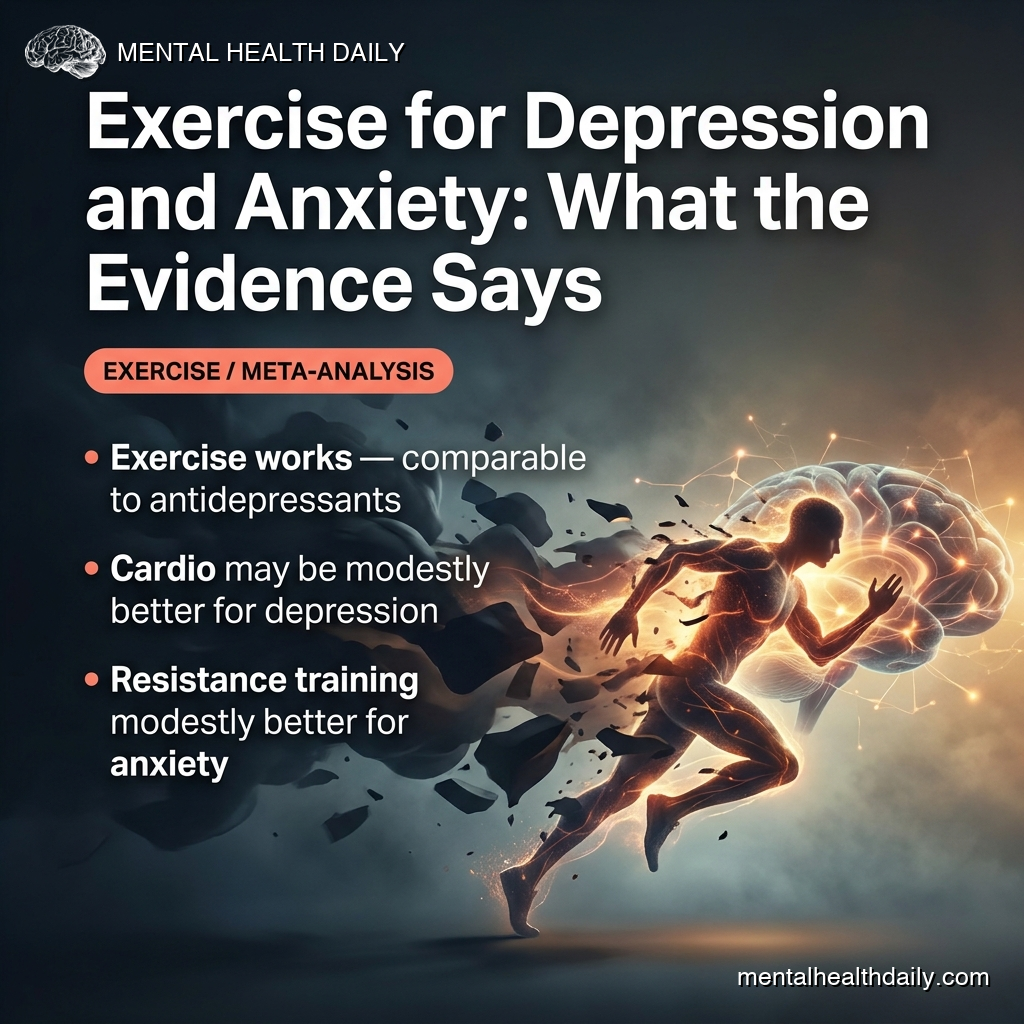
Exercise reliably reduces depression and anxiety symptoms — but the cardio-vs-resistance gap and antidepressant parity claims are overstated.

A recent systematic review and meta-analysis aimed to update the understanding of the efficacy and safety of transcranial direct current stimulation (tDCS) for treating fibromyalgia (FM), focusing on its effects on analgesia, antidepressant outcomes, and the reduction of FM’s impact. Highlights: Efficacy of tDCS: The analysis revealed that tDCS is effective in reducing pain intensity, …