hit counter

CoQ10 Preserved Working Memory in Drp1-Deficient Mice Through Coa6
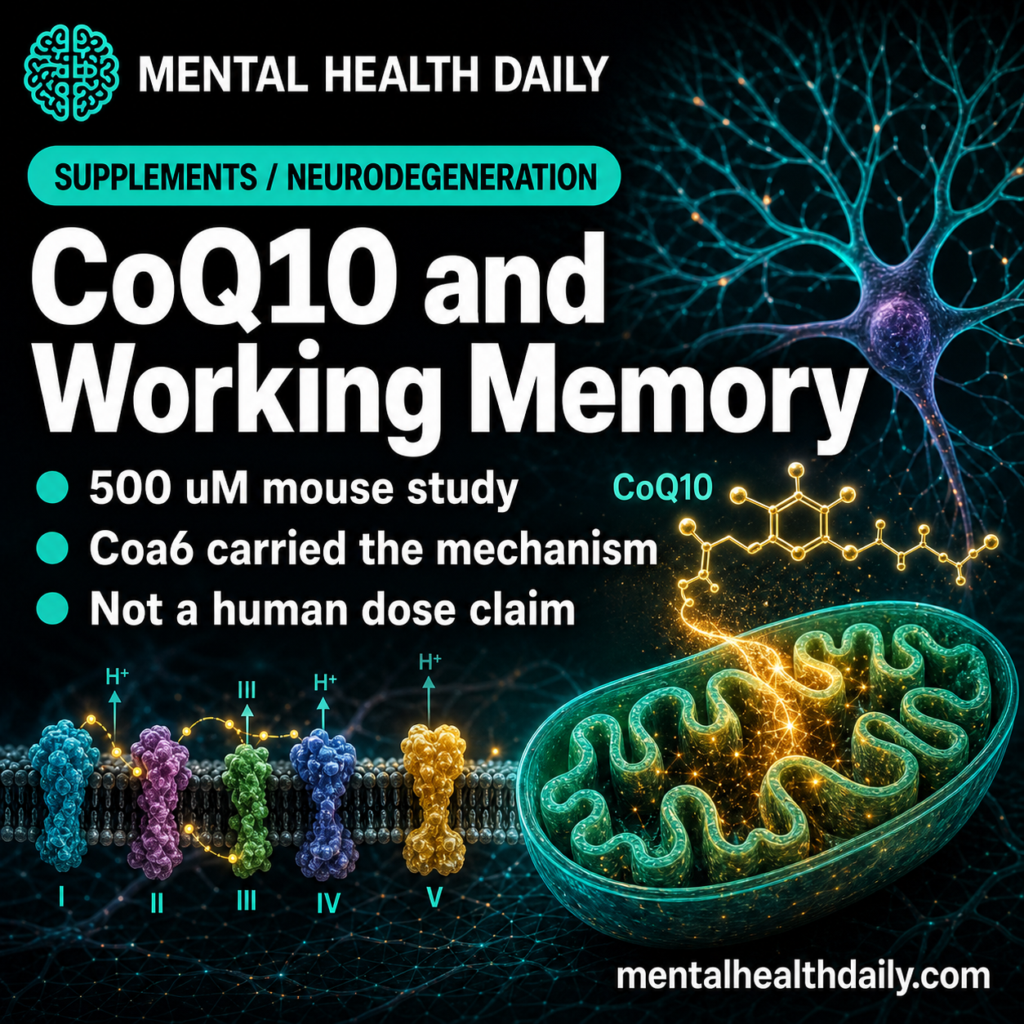
MHD featured image for CoQ10, working memory, Drp1 deficiency, Coa6, and mitochondrial respiratory-chain function.

A 2026 mouse study found that long-term CoQ10 exposure reduced working-memory errors in Purkinje-cell-specific Drp1-deficient mice, tying the behavioral rescue to Coa6 binding and support for mitochondrial respiratory-chain function.1 The result supports a narrow mechanistic CoQ10-Coa6 pathway under neuronal mitochondrial dysfunction while leaving human memory-supplement claims untested. Research Highlights Working memory improved in a mouse …

Read more

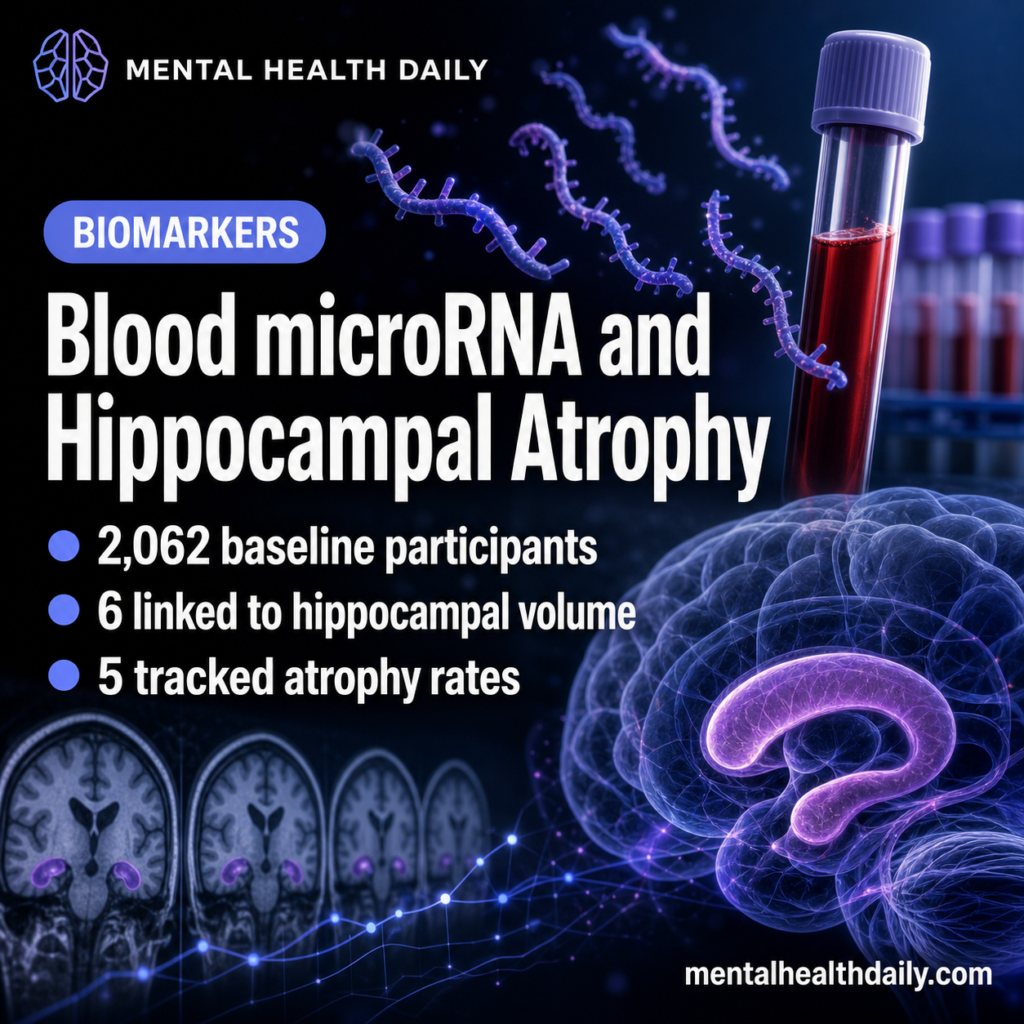
Blood microRNAs Linked to Hippocampal Atrophy in Rhineland Study

MHD featured image for blood microRNA signatures and hippocampal atrophy.

A 2026 Molecular Psychiatry analysis from the Rhineland Study found that blood-derived microRNA signatures were associated with hippocampal brain structure: 6 microRNAs linked cross-sectionally to left hippocampal volume, and 5 different microRNAs linked longitudinally to hippocampal atrophy rates.1 The result is biomarker-discovery evidence for brain aging, not a ready dementia blood test. Research Highlights Baseline …

Read more

Mild COVID Cognition Improved After Alpha/Delta and Omicron

A 2026 longitudinal study found reassuring cognitive trajectories after mild-to-moderate COVID-19: Alpha/Delta and Omicron groups both improved by follow-up, and neither group showed persistent neuropsychological test deficits vs. population norms. Psychiatric symptoms and fatigue were also broadly similar across variants.1 Research Highlights 55 adults were assessed: 27 were infected during the Alpha/Delta era and 28 …

Read more

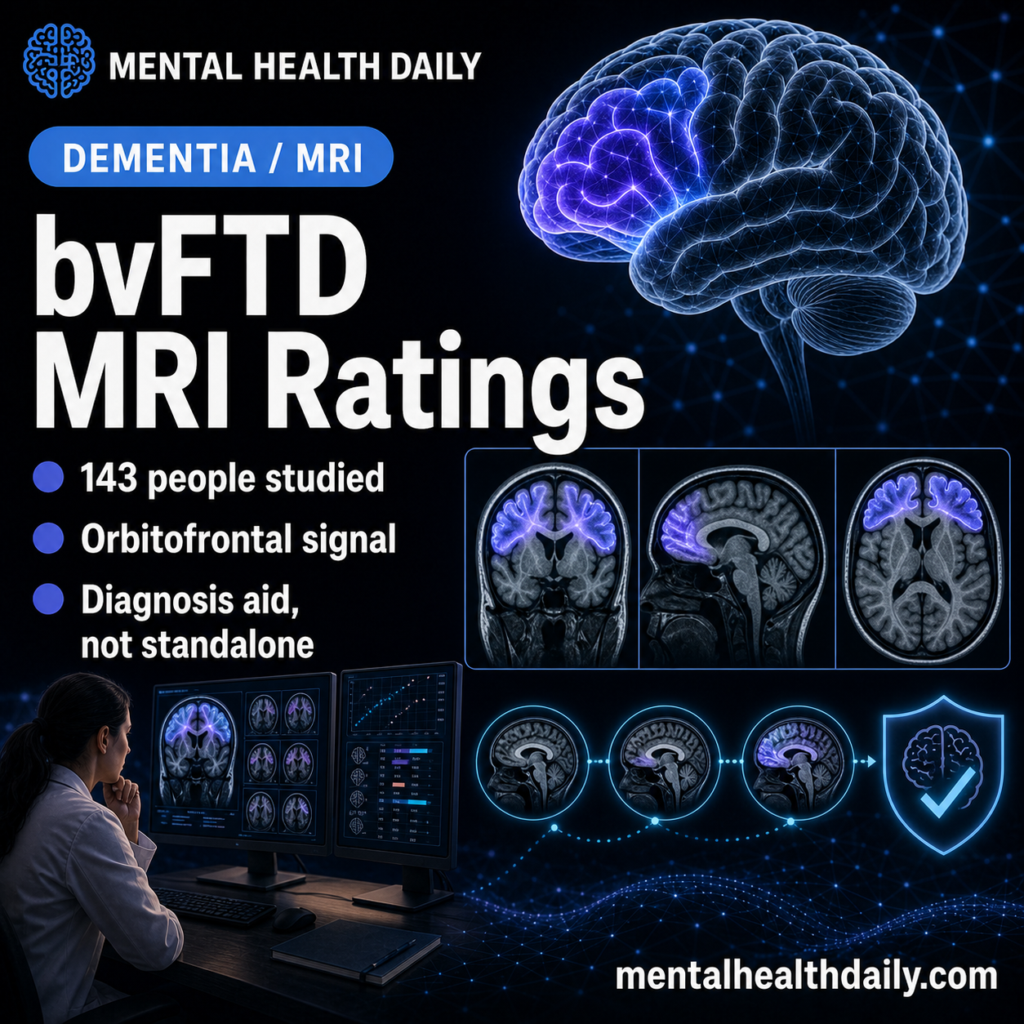
bvFTD MRI Atrophy Ratings: Left Orbitofrontal Score Predicted 3.77x Odds

A 2026 behavioral-variant frontotemporal dementia MRI study found that simple visual ratings of orbitofrontal and frontoinsular brain atrophy helped separate probable from possible bvFTD, with baseline left orbitofrontal atrophy predicting 3.77-fold higher odds of probable bvFTD classification.1 Research Highlights 143 people were rated: the study included 93 probable bvFTD cases, 15 possible bvFTD cases, and …

Read more

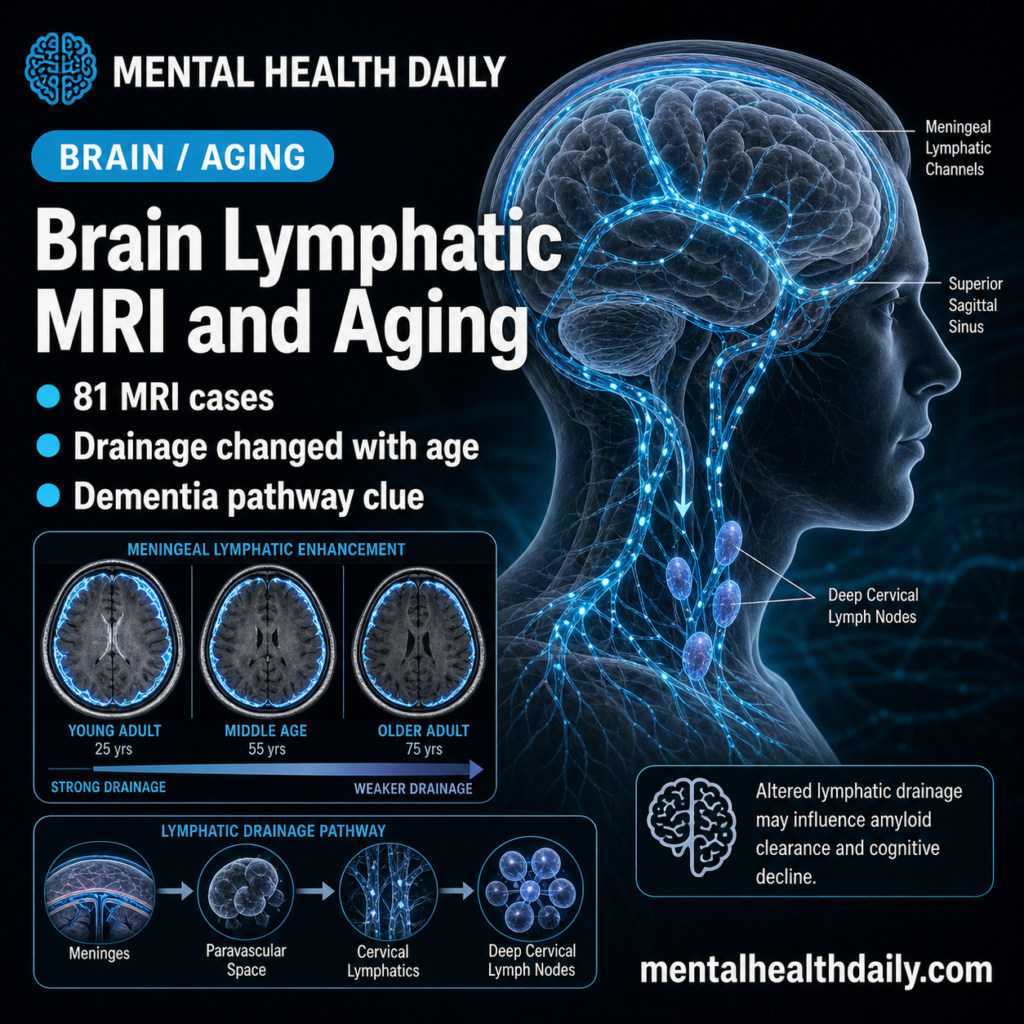
Brain Lymphatic MRI Shows Aging-Linked Drainage Changes

MHD featured image for brain lymphatic MRI and aging-linked drainage changes.

A 2022 Nature Communications study used non-contrast 3D T2-FLAIR magnetic resonance imaging (MRI) to map human brain lymphatic signals in living people, including apparent channels from cranial nerves and skull-base structures toward cervical lymph nodes. Research Highlights Non-contrast MRI visualized lymphatic-like brain drainage: Albayram et al. identified dorsal dural signals near venous sinuses and ventral …

Read more

Coffee, Gut Microbes, Memory, and Impulsivity in 62 Adults

Stylized illustration of a coffee cup overlaid with gut bacteria silhouettes and brain neurons with neurotransmitter symbols, representing the gut-brain axis effects of habitual coffee intake.

Coffee is widely framed as cognitively friendly, but a 2026 prospective study from Boscaini et al. published in Nature Communications used shotgun metagenomics, metabolomics, and cognitive testing in 62 healthy adults to show that coffee drinkers and non-coffee drinkers differ on the gut microbiome, key neurotransmitter-related metabolites, and behavioral measures — with coffee drinkers showing …

Read more

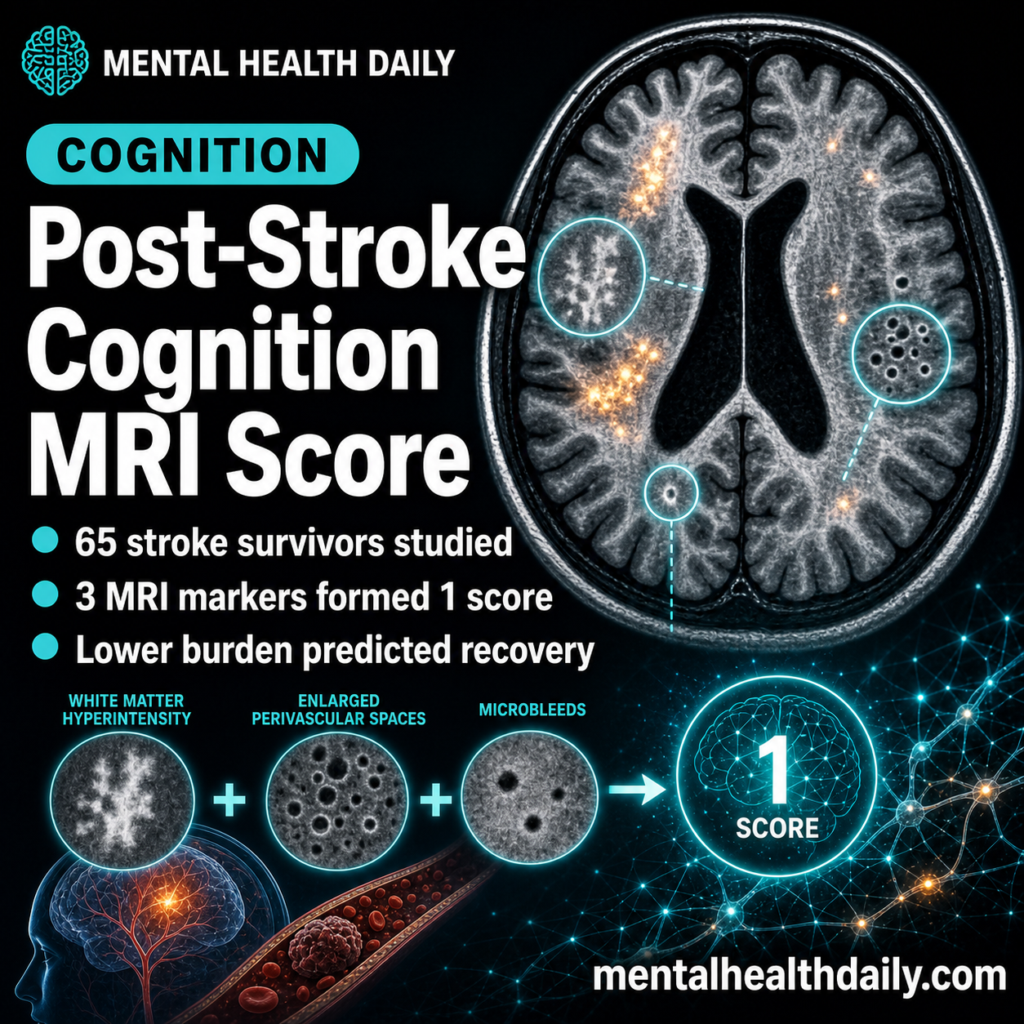
Small-Vessel Disease MRI Score Predicted 90-Day Cognition After Stroke

MHD featured image for composite small-vessel disease MRI and post-stroke cognitive recovery.

A 2026 medRxiv preprint involving 65 early subacute stroke survivors found that a composite cerebral small-vessel disease MRI score predicted 90-day cognitive recovery more reliably than any single input marker.1 Lower baseline burden predicted higher follow-up Montreal Cognitive Assessment scores (β = −0.19; p = 0.009) and remained associated after baseline cognition was included (β …

Read more