hit counter

Parkinson’s Disease Prevention: Prodromal Symptoms, RBD, Early Intervention Trials

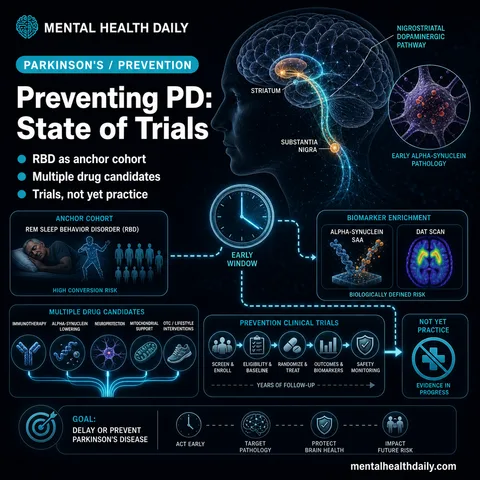
Photoreal illustration of a brain with prodromal pathology and a clock indicating early-window intervention opportunity for Parkinson's prevention.

Parkinson’s disease has a years-to-decades prodromal stage where motor symptoms haven’t yet emerged but pathology is accumulating. A 2026 review by Schaeffer et al. synthesizes the case for (and limits of) intervening during this window — with implications for high-risk individuals weighing whether to enter preventive trials.1 Research Highlights Prodromal Parkinson’s disease is the period …

Read more

Lifestyle & Health Habits of People with OCD: Lack of Exercise, Poor Diets, Bad Sleep (2024 Study)

Obsessive-compulsive disorder (OCD) is more than a mental health issue; it’s a condition that can influence the physical health and lifestyle habits of those it affects. A recent international survey shed light on the intricate relationship between OCD and various health-related issues, highlighting the importance of addressing lifestyle habits alongside mental health treatment. By exploring …

Read more

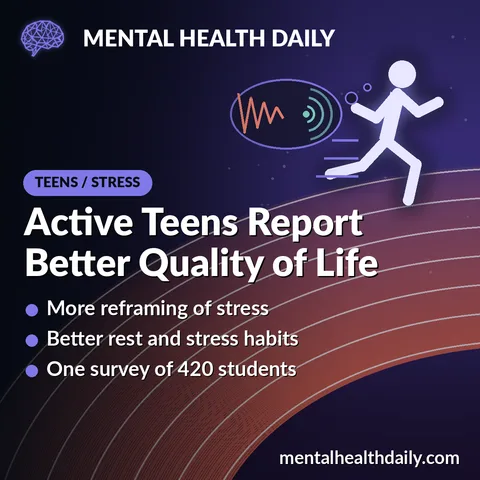
Exercise (Physical Activity) Linked to Lower Depression Risk in College Students (2024 Study)

In a comprehensive study conducted within Shanghai’s Songjiang University Town, researchers embarked on an ambitious project to unravel the complexities of depressive symptoms among college students and to dissect the interplay between these symptoms and physical activity levels. Their meticulous approach utilized a blend of diagnostic tools and questionnaires to categorize depressive symptoms and measure …

Read more

Optimal Dose of Exercise for Generalized Anxiety Disorder (GAD) in Aging Adults (2024 Study)

Generalized Anxiety Disorder (GAD), a prevalent condition among older adults, may be significantly influenced by physical activity levels. Recent research from The Irish Longitudinal Study on Ageing (TILDA) provides groundbreaking insights into how even minimal physical activity can reduce the risk of GAD. Highlights: Minimal Dose for Maximum Benefit: Even low levels of moderate-to-vigorous physical …

Read more

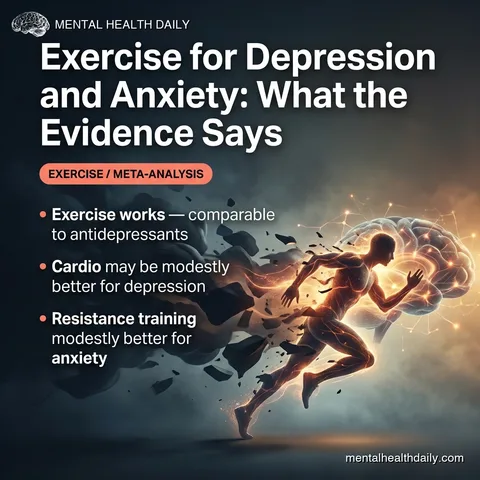
Exercise to Treat Depression: Aerobic & Resistance Training Effective Antidepressants?

Exercise has emerged as an effective treatment for depression, rivaling medication and psychotherapy in its ability to reduce symptoms. Both aerobic and resistance training provide mental health benefits, with a combination of the two being optimal. However, exercise is vastly underutilized and more research is needed to uncover the mechanisms behind its antidepressant effects. Highlights: …

Read more

How To Increase Serotonin Levels

Serotonin is a neurotransmitter that is derived from the amino acid tryptophan.  Most people know that serotonin is associated with mood.  It has long been marketed that high serotonin results in happiness, and low serotonin results in major depression.  Despite the incessant marketing of serotonin to the mainstream by pharmaceutical companies, serotonin does more than …

Read more