hit counter

Alzheimer’s AI MRI Diagnosis: ANA-GNN Reaches 85.23% Accuracy in ADNI
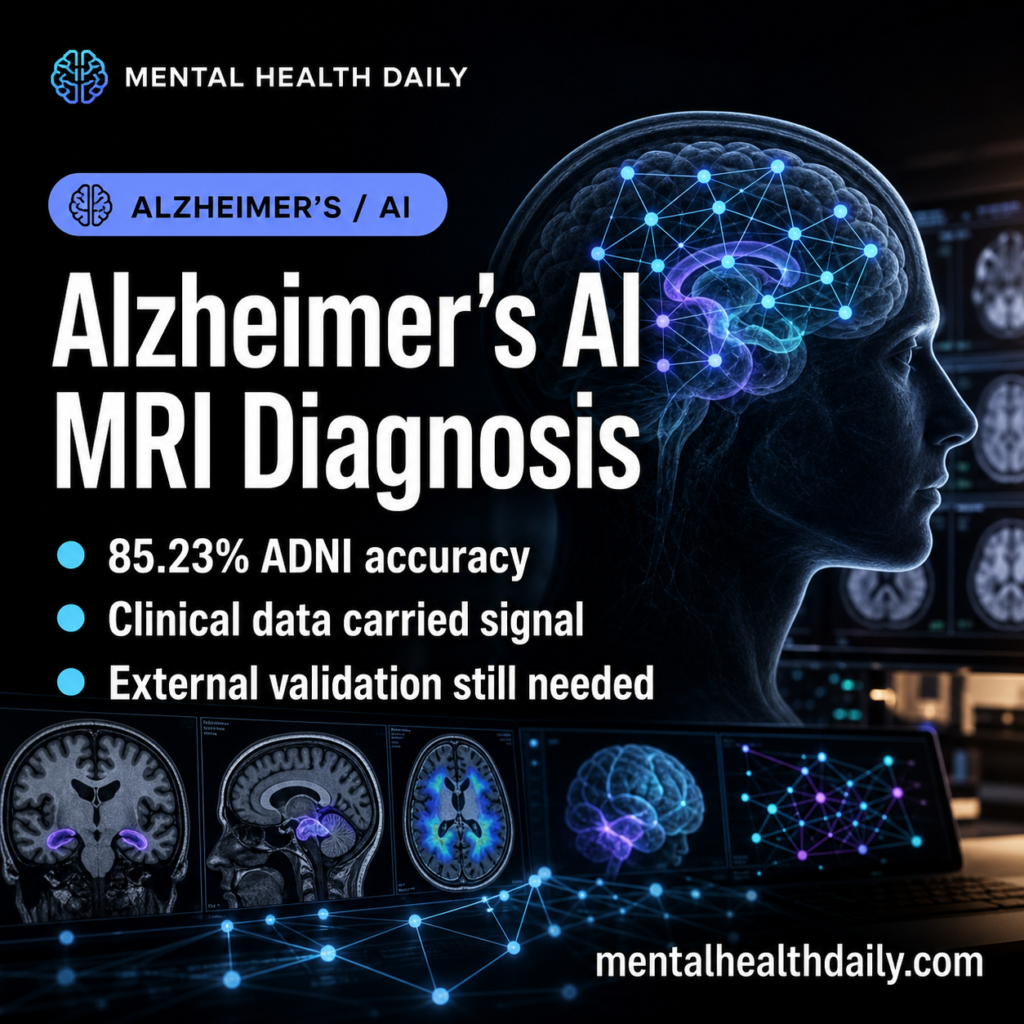
MHD featured image for ANA-GNN Alzheimer's AI MRI diagnosis in the ADNI cohort.

A 2026 ADNI study reported 85.23% accuracy for ANA-GNN, a graph neural network that combined structural MRI regional features with clinical variables to classify cognitively normal controls, mild cognitive impairment, and Alzheimer’s disease.1 The result is useful, but the clinical-feature ablation dropped accuracy to 68.35%, so the model should be read as multimodal decision-support research, …
Read more

Masitinib for ALS: AB10015 Reports 42.3% 5-Year Survival

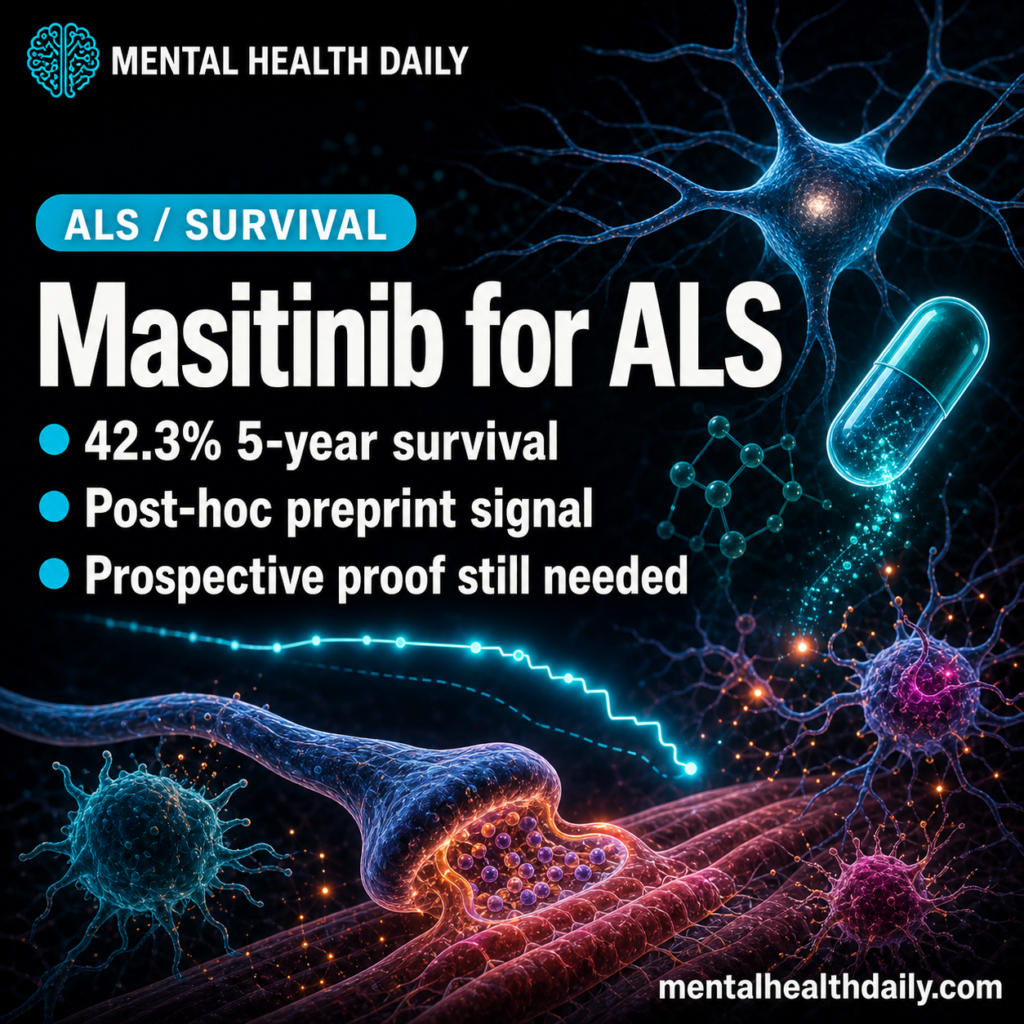
MHD featured image for masitinib, ALS survival, and AB10015 long-term follow-up.

A 2026 AB10015 post-hoc preprint reported 42.3% 5-year survival from amyotrophic lateral sclerosis symptom onset among patients originally assigned to masitinib 4.5 mg/kg/day with riluzole. The number is large for ALS, but the long-term comparison is historical and modeled rather than randomized placebo follow-up.1 Research Highlights 42.3% reached 5 years from onset: Ludolph et al. …

Read more

Gabapentin Plus Hegu Embedding: 92% Postherpetic Neuralgia Response

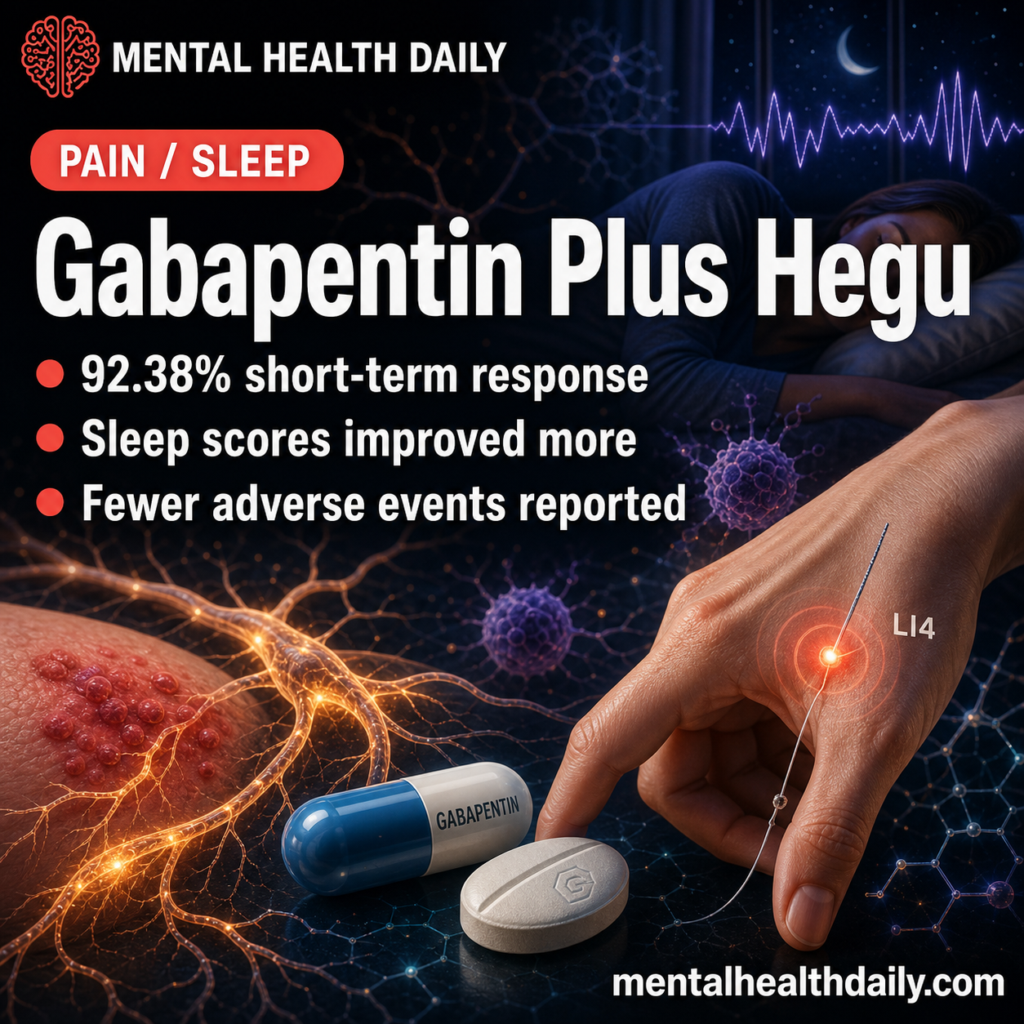
MHD featured image for gabapentin, Hegu catgut embedding, postherpetic neuralgia, and sleep quality.

A 210-person randomized assessor-blinded trial found that adding weekly Hegu-point catgut embedding to gabapentin improved 4-week postherpetic-neuralgia response from 80.00% to 92.38%; compared with gabapentin alone, the add-on arm also ended with lower sleep-problem scores and fewer adverse events.[1] This 2026 trial supports an add-on signal that still needs sham-controlled confirmation because follow-up lasted only …

Read more

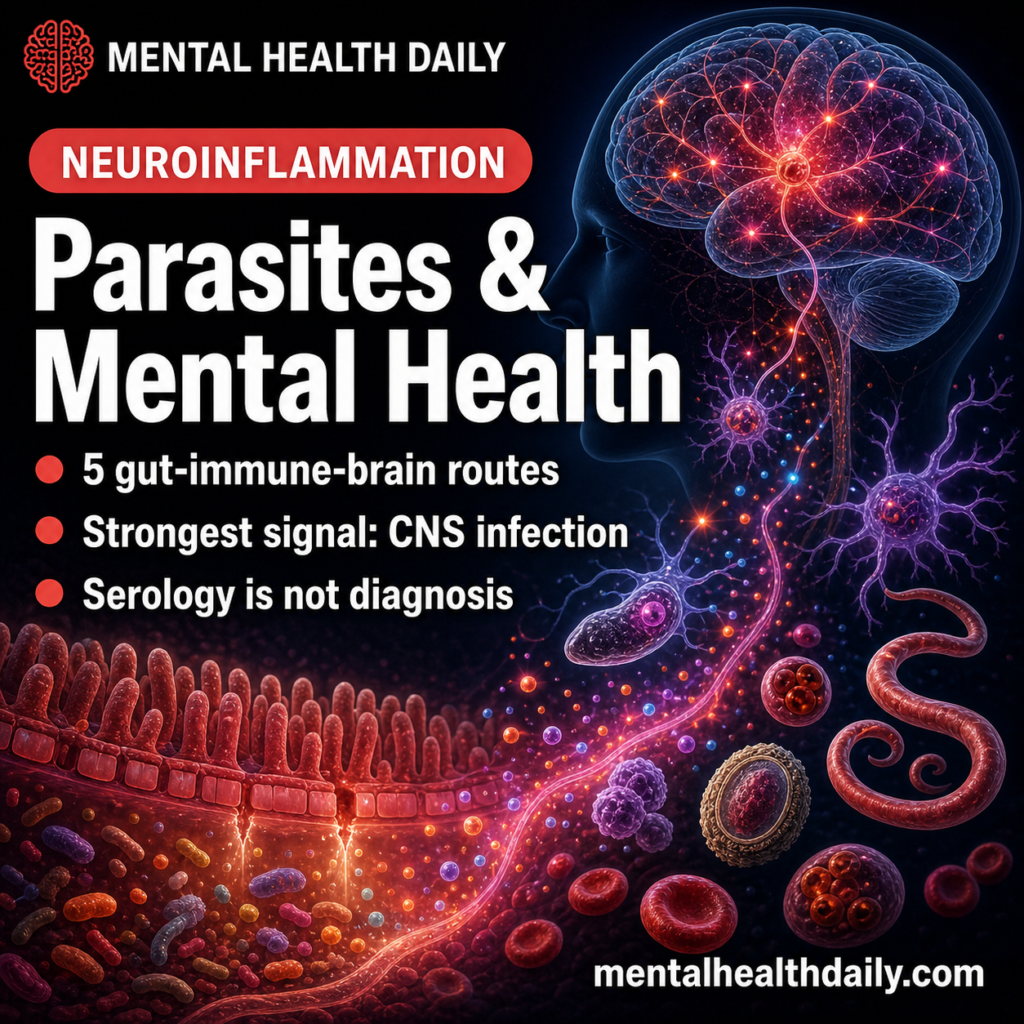
Parasite Infections and Mental Health: 5 Gut-Brain Immune Routes

MHD featured image for parasite infections, neuroinflammation, and mental health.

A 2026 Journal of Neuroinflammation review organized parasite-linked neuropsychiatric risk around 5 gut-immune-brain routes; direct CNS parasitic disease carries the clearest signal, while broader mood and cognition associations usually remain observational and confounded.[1] Research Highlights 5 pathways converge on brain function: the 2026 review connected parasite exposure to peripheral cytokines, gut dysbiosis, intestinal permeability, blood-brain …

Read more

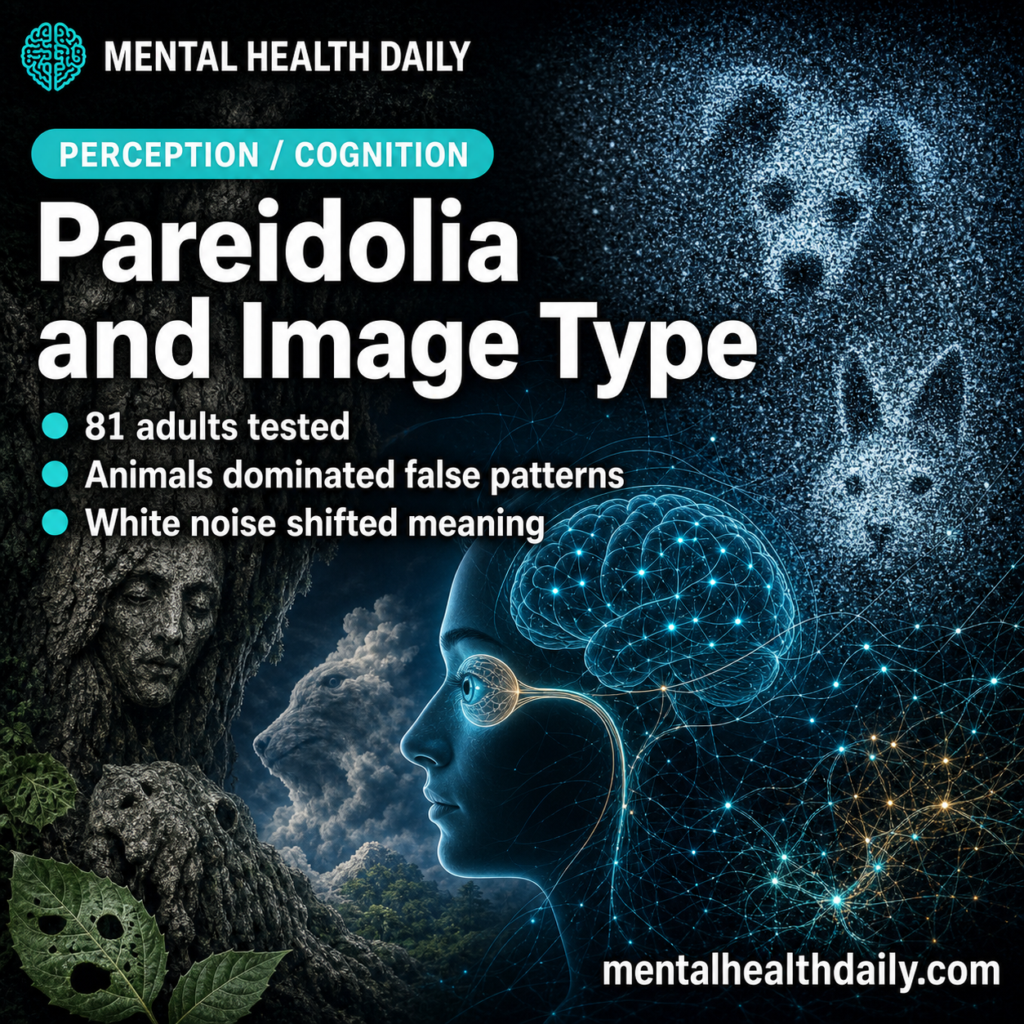
Pareidolia Study: Natural Images Shift Illusions Toward Animals and Nature

MHD featured image for pareidolia, natural images, white noise, and animal-shaped visual illusions.

A 2026 experiment involving 81 healthy adults found similar pareidolia counts across natural and white-noise images, but different content: natural images favored natural-world categories (75.3% vs. 59.37%), while white noise favored human-created categories (27.59% vs. 14.53%). Pareidolia means seeing meaningful objects or patterns in ambiguous input.1 Research Highlights Image type changed the content, not the …

Read more

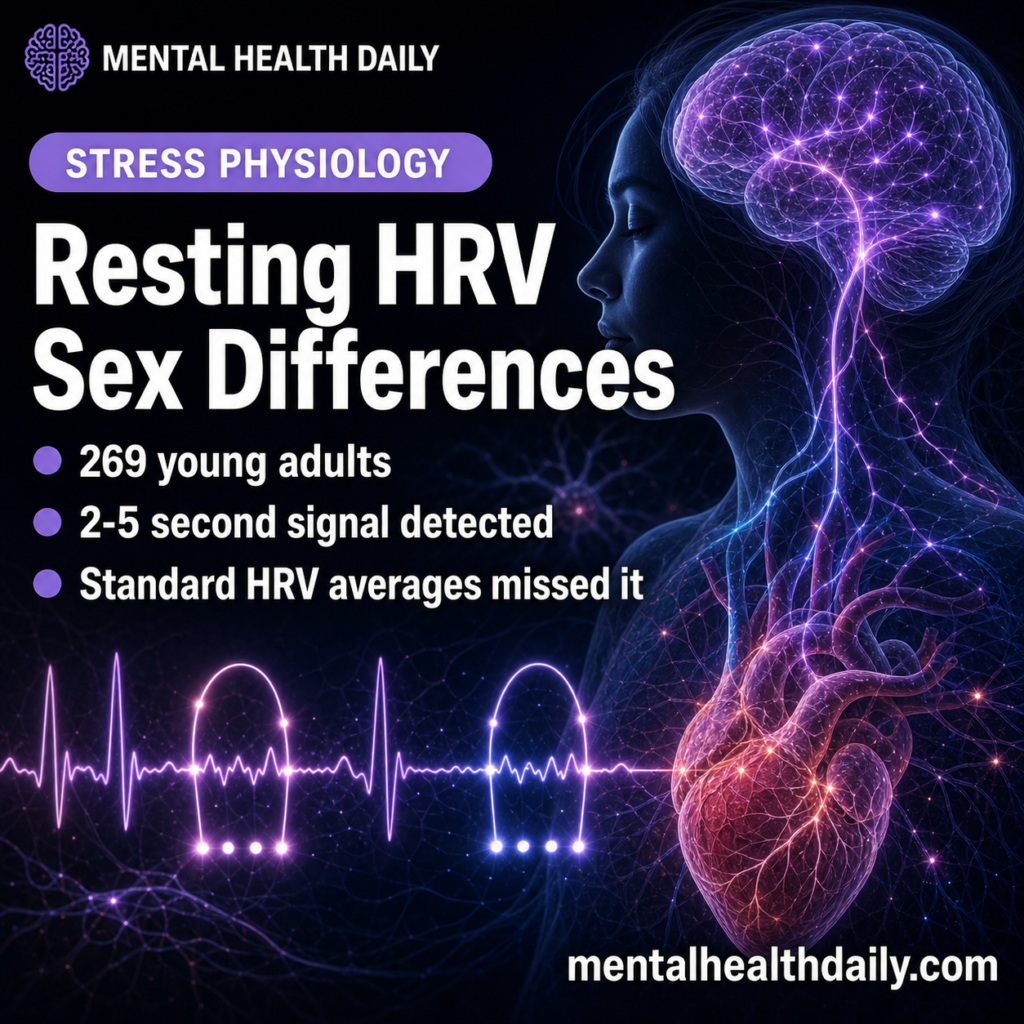
Resting HRV Sex Difference Detected in 2-5 Second Fluctuations

MHD featured image for resting heart rate variability, sex differences, and autonomic regulation.

A 2026 ECG analysis involving 269 healthy young adults found that sex differences in resting heart-rate dynamics appeared in very short 2-5 second fluctuations, not in the usual 5-minute heart rate variability averages. The short-window similarity graph metric predicted male sex with an odds ratio of 2.78 (95% CI 1.32-5.86), while conventional lnRMSSD, lnHF-HRV, and …

Read more

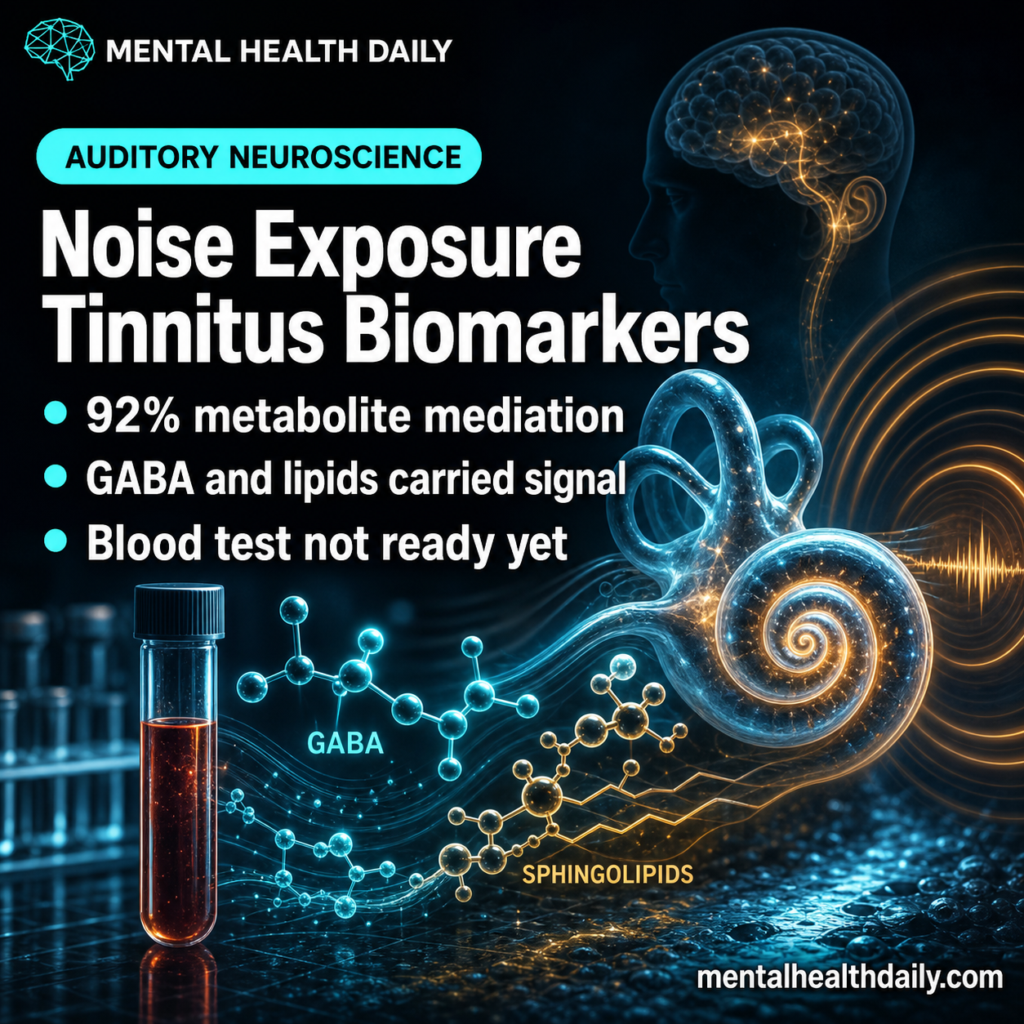
Noise Exposure Tinnitus Biomarkers: 92% Metabolite Mediation

MHD featured image for noise exposure, tinnitus biomarkers, GABA, and sphingolipid metabolism.

A 2026 serum multiomics study linked occupational noise exposure to tinnitus severity mostly through metabolism: 10 metabolites, including GABA, fumaric acid, and steroid hormone precursors, statistically mediated 92% of the exposure-tinnitus association.1 The result is not a clinical blood test yet, but it pushes tinnitus biology beyond the ear-only frame toward a metabolism-immunity model that …

Read more