hit counter

Alzheimer’s Neurovascular Unit Dysfunction May Start Before Amyloid
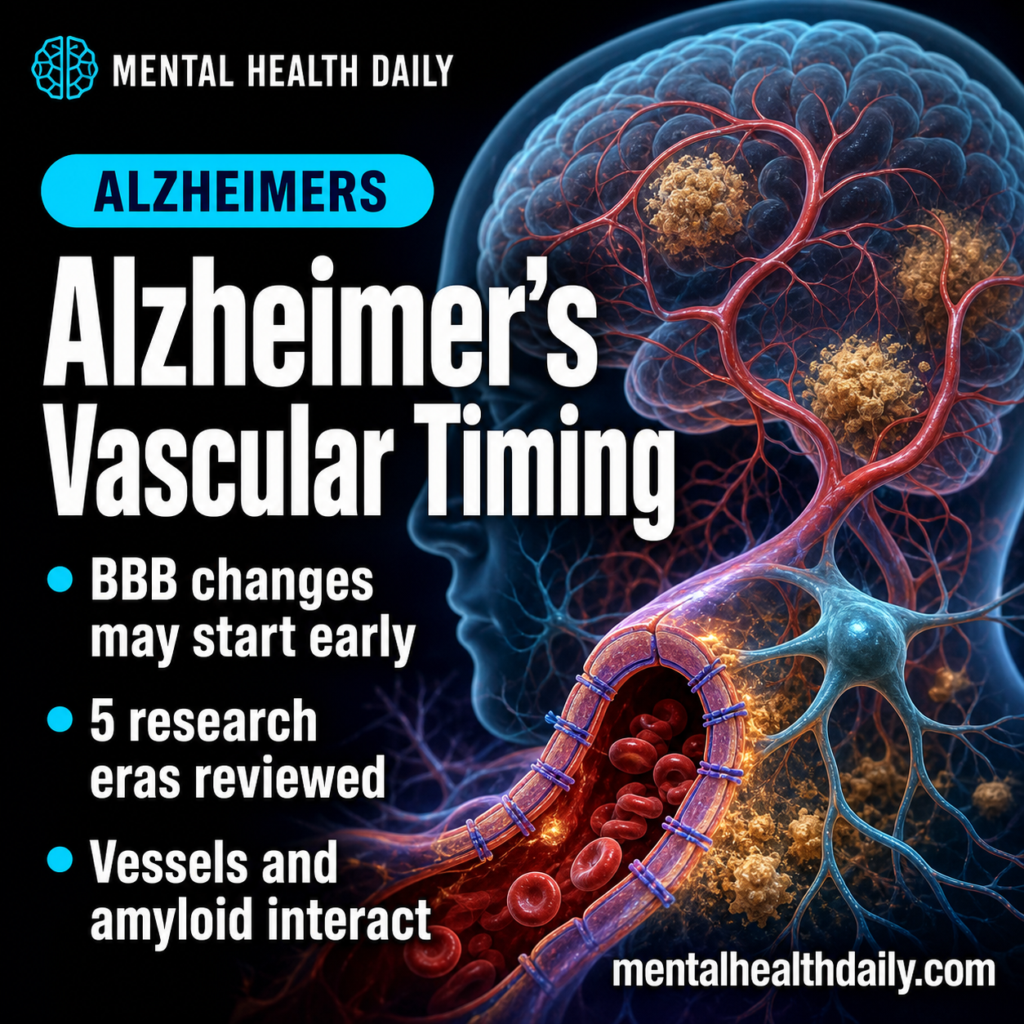
MHD featured image for neurovascular unit dysfunction and Alzheimer's disease.

A 2026 review argues that neurovascular-unit dysfunction may precede amyloid-beta generation in Alzheimer’s disease and then synergize with amyloid deposition, tau pathology, inflammation, and neuronal loss.1 The model is vascular biology plus amyloid biology: blood vessels, barrier integrity, and amyloid deposition can amplify each other early enough to affect dementia risk and progression. Research Highlights …
Read more

Non-Auditory Tinnitus Linked to Lower Brain Blood Flow

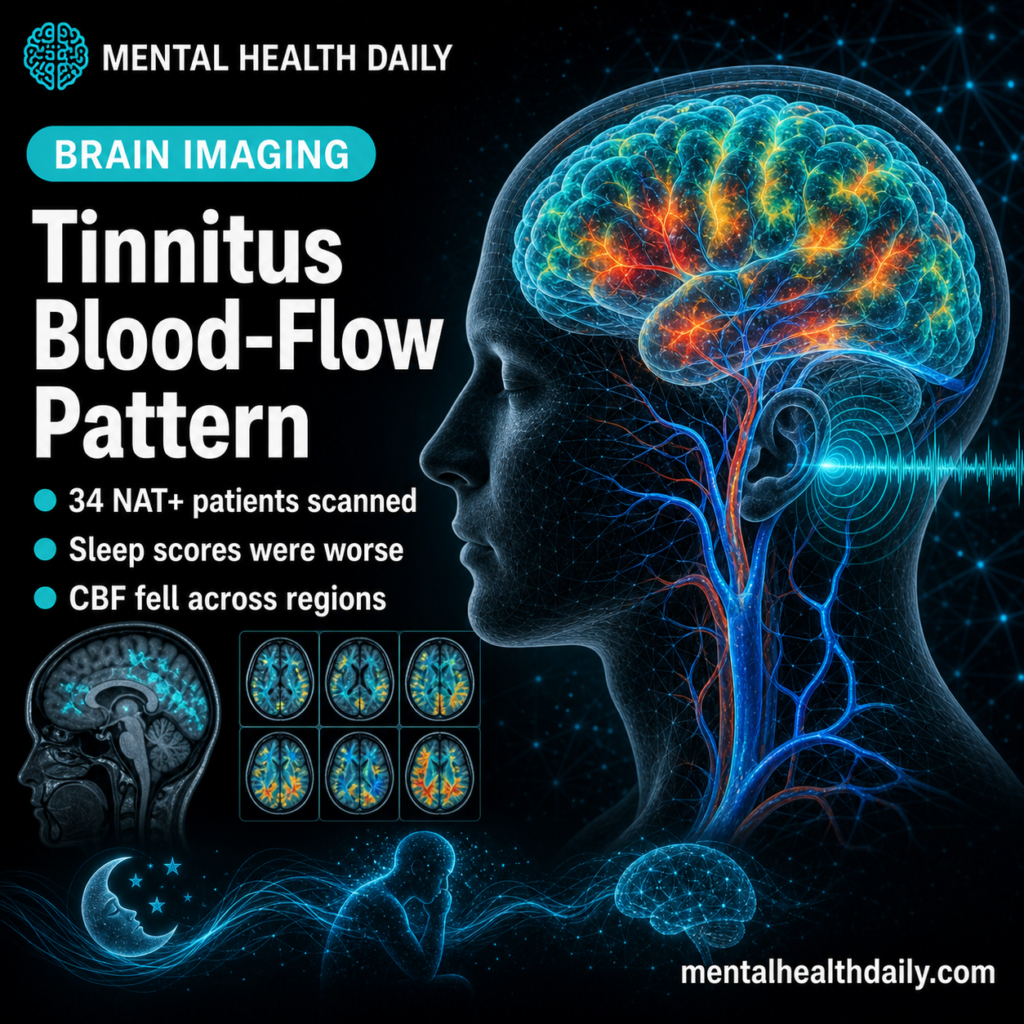
MHD featured image for non-auditory tinnitus and cerebral blood flow.

A 2026 arterial spin labeling MRI study found that 34 patients with non-auditory tinnitus and cerebral venous congestion had lower corrected cerebral blood flow across multiple brain regions than venous-congestion patients without tinnitus and healthy controls.1 Compared with those 2 groups, the tinnitus group had poorer sleep quality, higher depression scores, and slightly lower cognitive …

Read more

Caffeine’s Effects on Cerebral Blood Flow (CBF): What You Should Know

Caffeine, a ubiquitous stimulant, is known for its ability to enhance alertness and cognitive function. But beyond these surface-level effects lies a complex interaction with the body’s cardiovascular and neurological systems, particularly influencing cerebral blood flow. Highlights: Global Ubiquity: Caffeine is the most widely consumed pharmacologically active substance worldwide. Dose-Dependent Effects: Caffeine’s influence on cerebral …

Read more

High Remnant Cholesterol Levels Linked to Depression Risk in U.S. Adults

Remnant cholesterol (RC), also known as triglyceride-rich lipoproteins, has been gaining increasing attention in recent years due to evidence linking it to cardiovascular disease, diabetes, chronic kidney disease, and other conditions. A new study suggests that elevated levels of remnant cholesterol in the blood may be associated with an increased risk of depression. Key Facts: …

Read more

Whole-Body Hyperthermia For Depression: Turning Up The Heat To Enhance Mood?

Hyperthermia is defined as supraphysiological body temperature resulting from absorption and/or production of more heat than is dispelled.  Medically, local hyperthermia is often used as an adjunct to radiation and/or chemotherapy for the treatment of cancers.  It is thought that deliberate induction of hyperthermia to a cancerous region of the body increases the sensitivity of …

Read more