depression
Published research on depression.
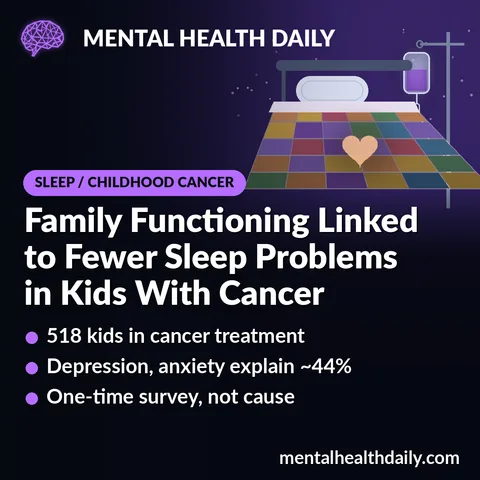
Children and teens in cancer treatment who felt their family worked well together reported fewer sleep problems, in a 2026 study of 518 young patients in China.1 Lower depression and anxiety…
Read article →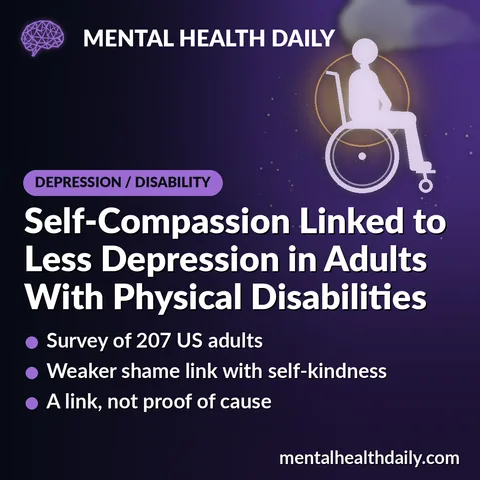
Adults with physical disabilities who were kinder to themselves and more psychologically flexible reported fewer symptoms of depression, according to a 2026 US survey. Shame was also less cl…
Read article →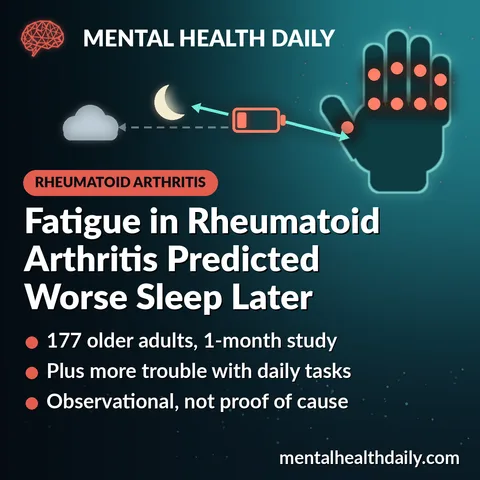
Older adults with rheumatoid arthritis who were more fatigued in the hospital had worse sleep and more trouble with daily activities a month after going home. Fatigue was the only one of 5 t…
Read article →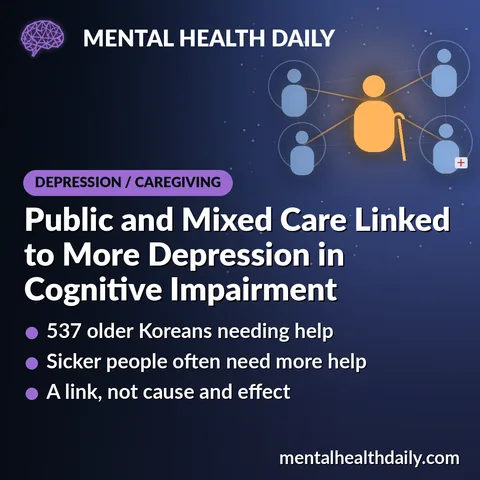
Older South Koreans with cognitive impairment had higher depression scores when their care came mainly from public caregivers or a mixed group of helpers rather than their adult children. A …
Read article →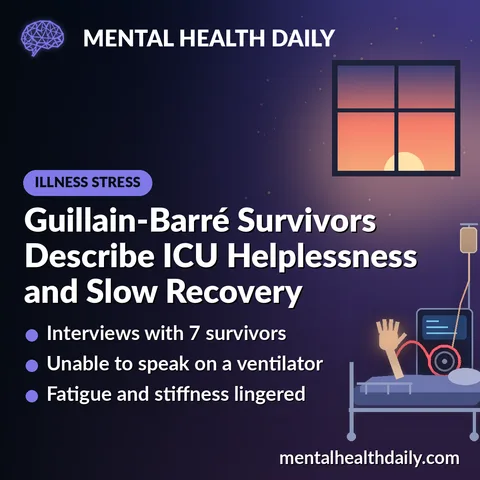
Being suddenly paralyzed by Guillain-Barré syndrome and treated with plasma exchange in intensive care brought helplessness, fear and isolation, followed by a slow rebuilding of body, mood, …
Read article →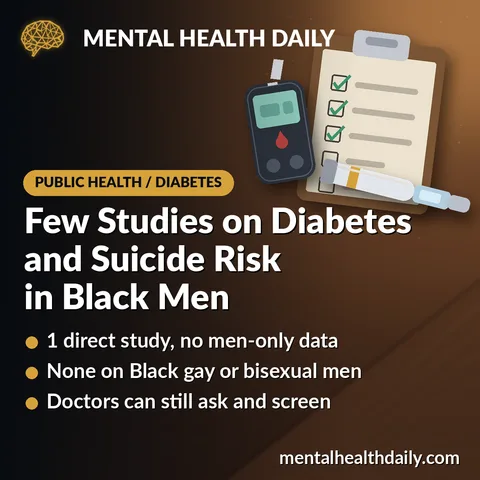
Almost no research has measured suicide risk in Black men with diabetes, and none has looked at Black gay, bisexual and other sexual minority men with diabetes, according to a 2026 review. T…
Read article →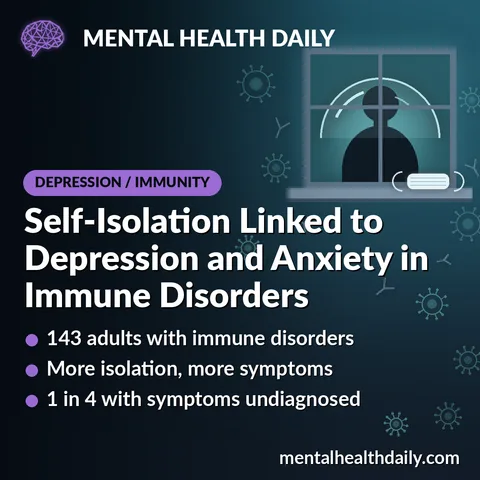
Adults with inborn errors of immunity, also called primary immunodeficiency, who cut back social contact to avoid infections reported more depression and anxiety symptoms. A 2026 German clin…
Read article →