CBT-I
Published research on CBT-I.
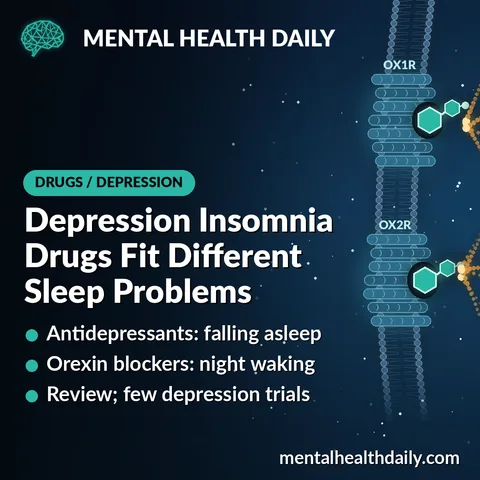
A 2026 narrative review says sedating antidepressants fit trouble falling asleep with anxiety or poor appetite, while orexin blockers fit night waking. Evidence in active depression is limit…
Read article →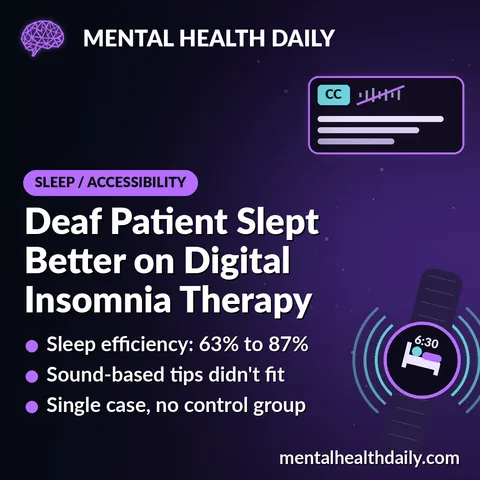
One deaf patient completed digital CBT-I and his sleep efficiency rose from 63% to 87%. Sound-based tips and hard-to-find captions exposed accessibility gaps.
Read article →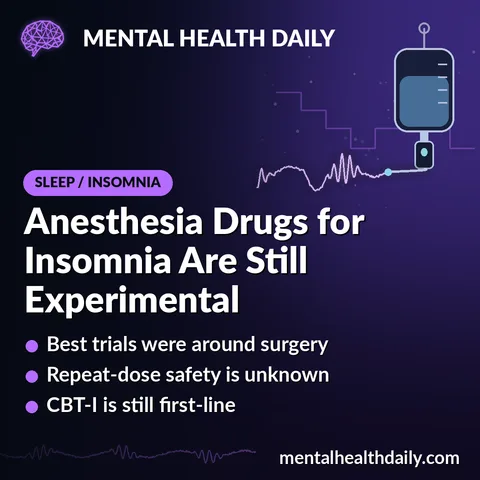
A 2026 review found dexmedetomidine, ketamine, propofol, nerve blocks and acupuncture unproven for chronic insomnia. Their best trials were around surgery; CBT-I remains first-line.
Read article →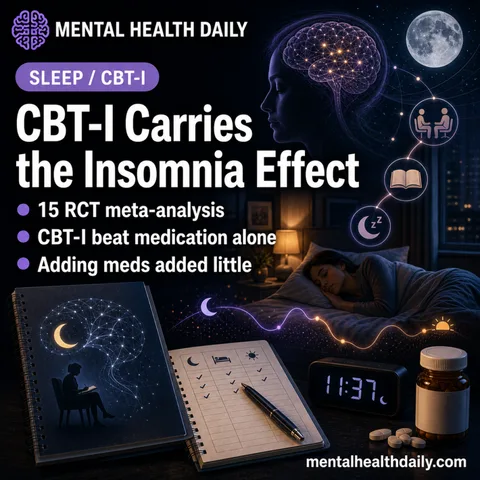
Patients with chronic insomnia frequently end up on both a sleep medication and cognitive behavioral therapy for insomnia (CBT-I), and a 2026 AASM meta-analysis of 15 RCTs from Buysse et al.…
Read article →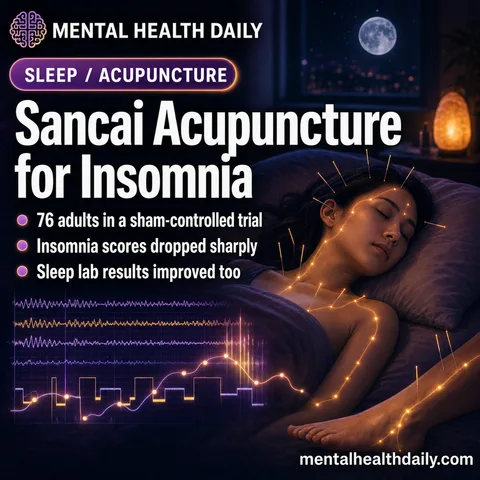
A 2026 randomized sham-controlled trial in 76 adults with primary insomnia found an 8-week Sancai acupuncture protocol reduced post-treatment Insomnia Severity Index scores to 7.80 vs. 16.45…
Read article →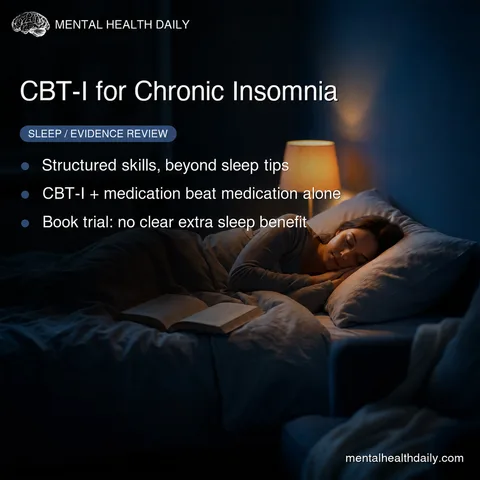
What CBT-I involves, how it compares with sleep medication, and what a self-help book trial found. Evidence, uncertainty, and practical questions.
Read article →