hit counter

Cocaine-Alcohol Relapse Shifts Prelimbic-Accumbens Circuit
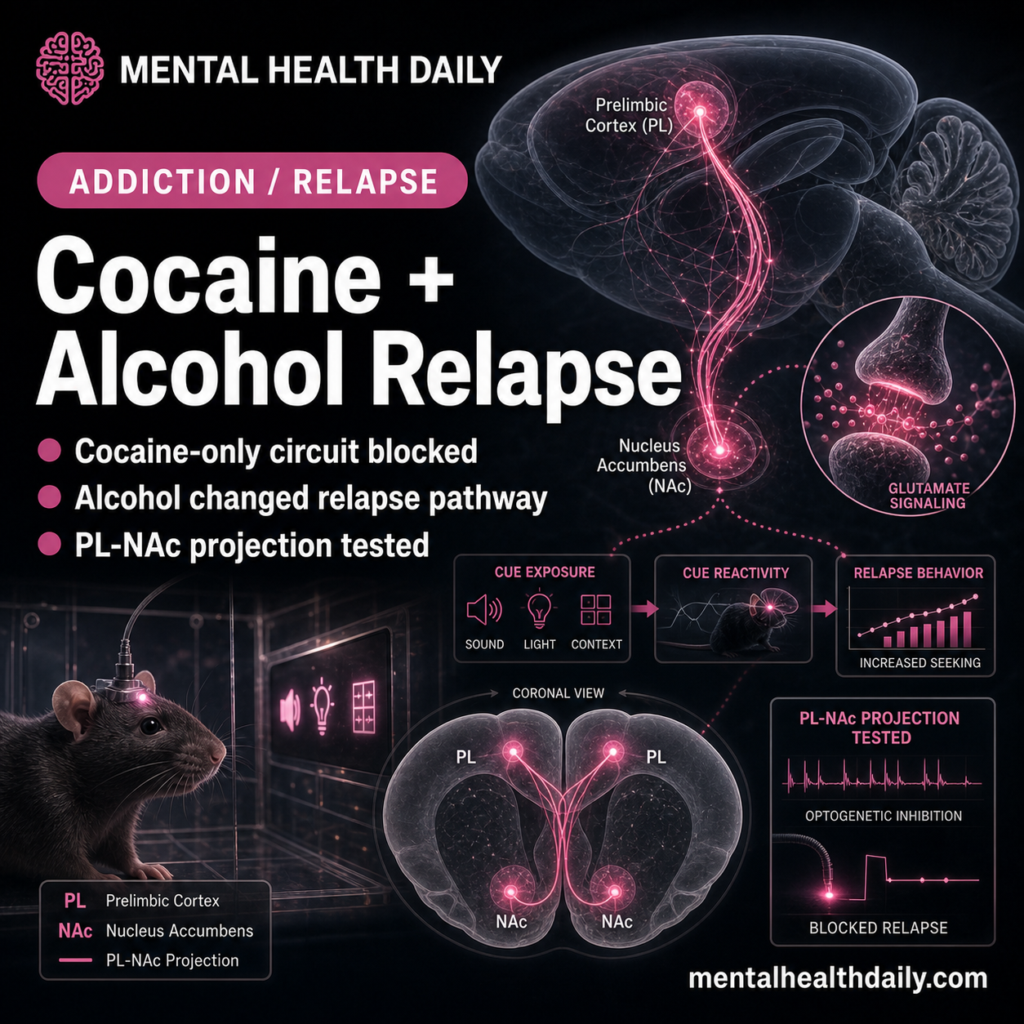
Cocaine relapse circuitry looks different when alcohol is part of the history. In a rat model, inhibiting prelimbic cortex neurons projecting to the nucleus accumbens core blocked cue-triggered cocaine seeking after cocaine alone, but failed after sequential cocaine-alcohol polysubstance use.1 Research Highlights PL-NAc inhibition split by drug history: in a 4-group DREADD experiment, inhibiting the …
Read more

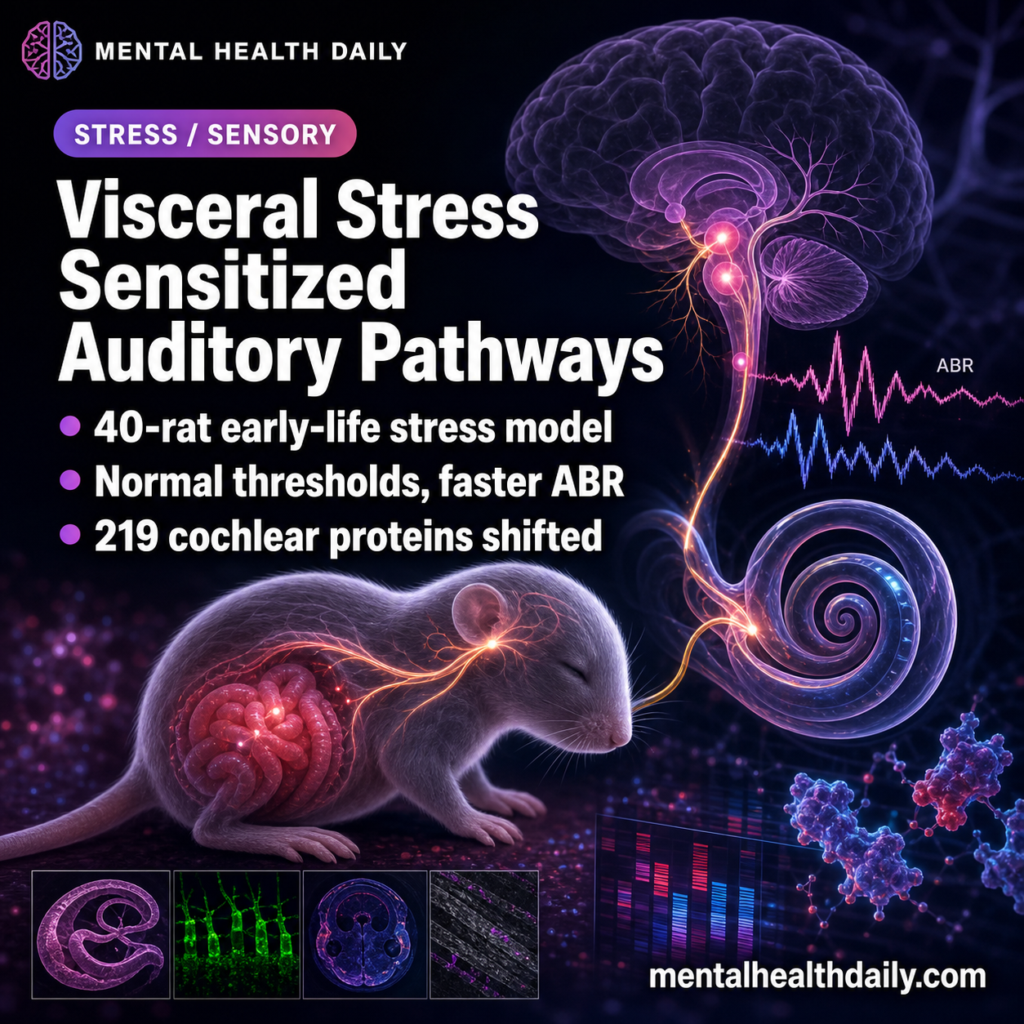
Early-Life Visceral Stress Sensitized Auditory Brainstem Responses in Rats

MHD featured image for early-life visceral stress and auditory brainstem sensitization.

A 40-rat early-life visceral stress study found auditory pathway sensitization without hearing-threshold loss: neonatal colorectal distension produced IBS-like visceral hypersensitivity, normal ABR thresholds, shortened auditory brainstem latencies, increased amplitudes, and 219 differentially expressed cochlear proteins.1 The result turns IBS-like stress exposure into a gut-pain and sensory-processing question. Research Highlights Visceral hypersensitivity was strong: At 20 …

Read more

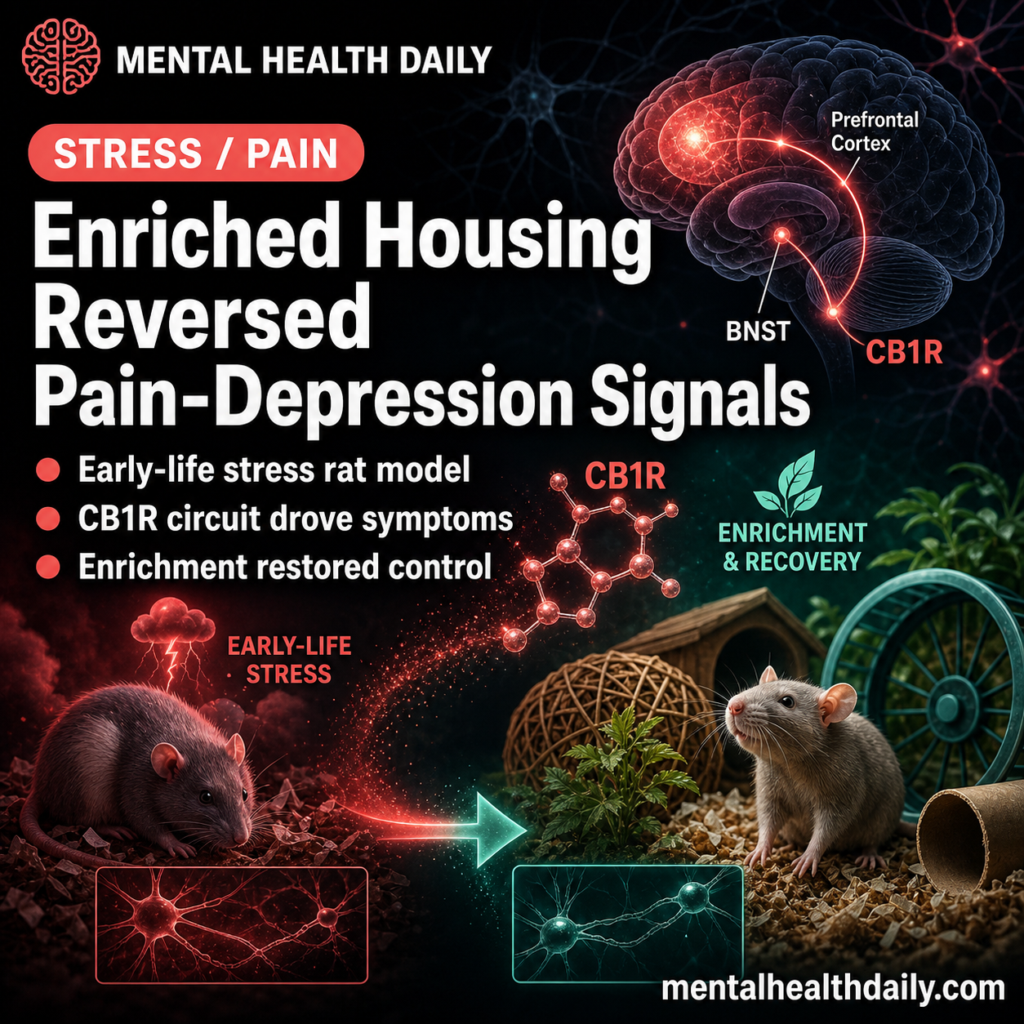
Environmental Enrichment Reversed Visceral Pain and Depression in Rats

MHD featured image for environmental enrichment, visceral pain, depression, and CB1 receptor circuitry.

A 2026 Communications Biology rat study found that enriched housing reversed early-life-stress visceral hypersensitivity and depression-like behavior by normalizing a CB1 receptor-linked prefrontal-limbic circuit connecting prelimbic cortex, anteroventral bed nucleus of the stria terminalis, and paraventricular hypothalamus.1 Huang et al. mapped a gut-pain and mood circuit in rats, but the experiment does not prove that …

Read more

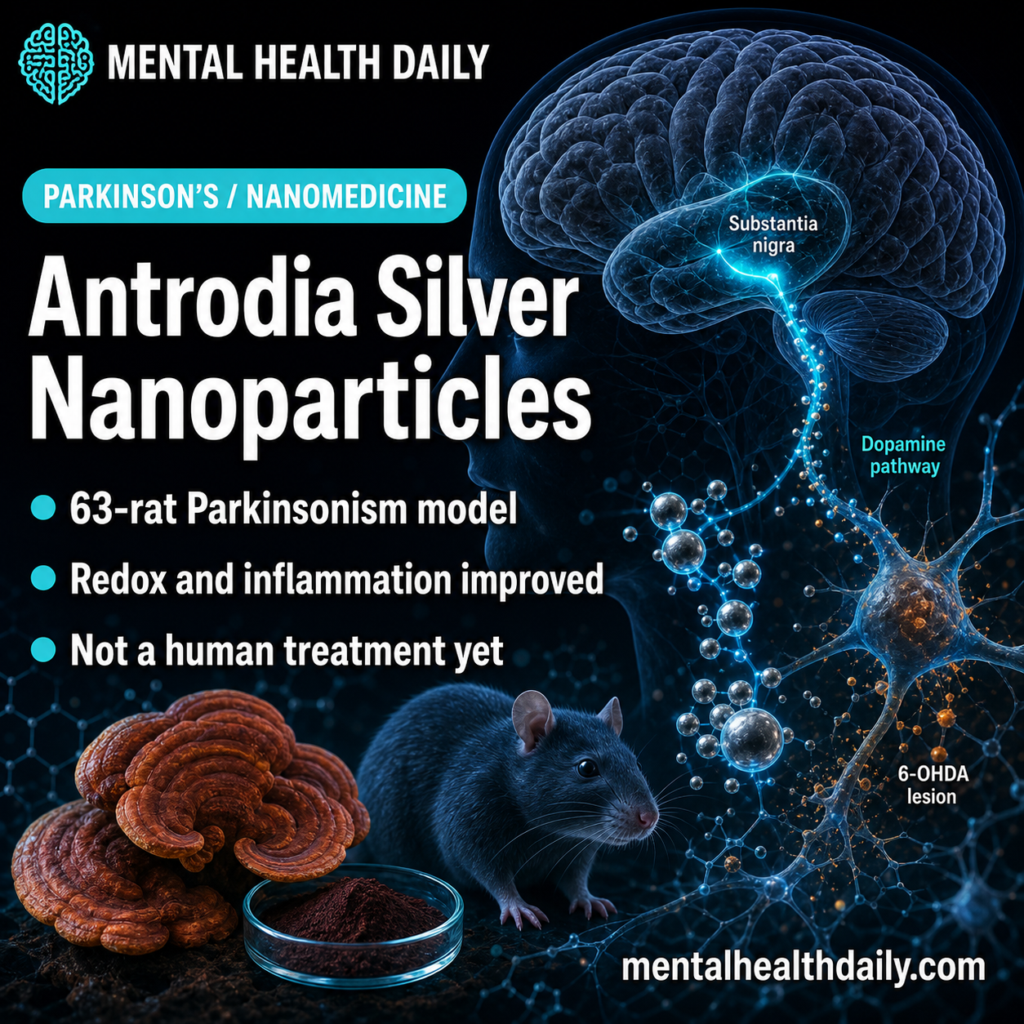
Antrodia Silver Nanoparticles Reduced Parkinsonism Markers in 63 Rats

MHD featured image for Antrodia silver nanoparticles and Parkinsonism oxidative-stress markers.

A 2026 Parkinsonism study involving 63 male rats found that Antrodia cinnamomea plus citrate-stabilized silver nanoparticles reduced 6-OHDA motor, oxidative-stress, inflammatory, α-synuclein, and apoptosis markers, while dopamine and acetylcholine recovery remained nonsignificant. The useful claim is a multitarget preclinical signal, not a Parkinson’s disease treatment recommendation. Research Highlights Combination treatment looked strongest: Tekiner et al. …

Read more

Semaglutide Reduced Cocaine Choice in Rat Study

Semaglutide is not close to being an approved cocaine-use-disorder medication, but a 2026 rat study gives the idea a more demanding preclinical test than ordinary self-administration experiments. After 5 days of treatment, rats shifted away from cocaine choice without losing total operant responding, which separates the result from a broad appetite-suppression artifact. Research Highlights Semaglutide …

Read more

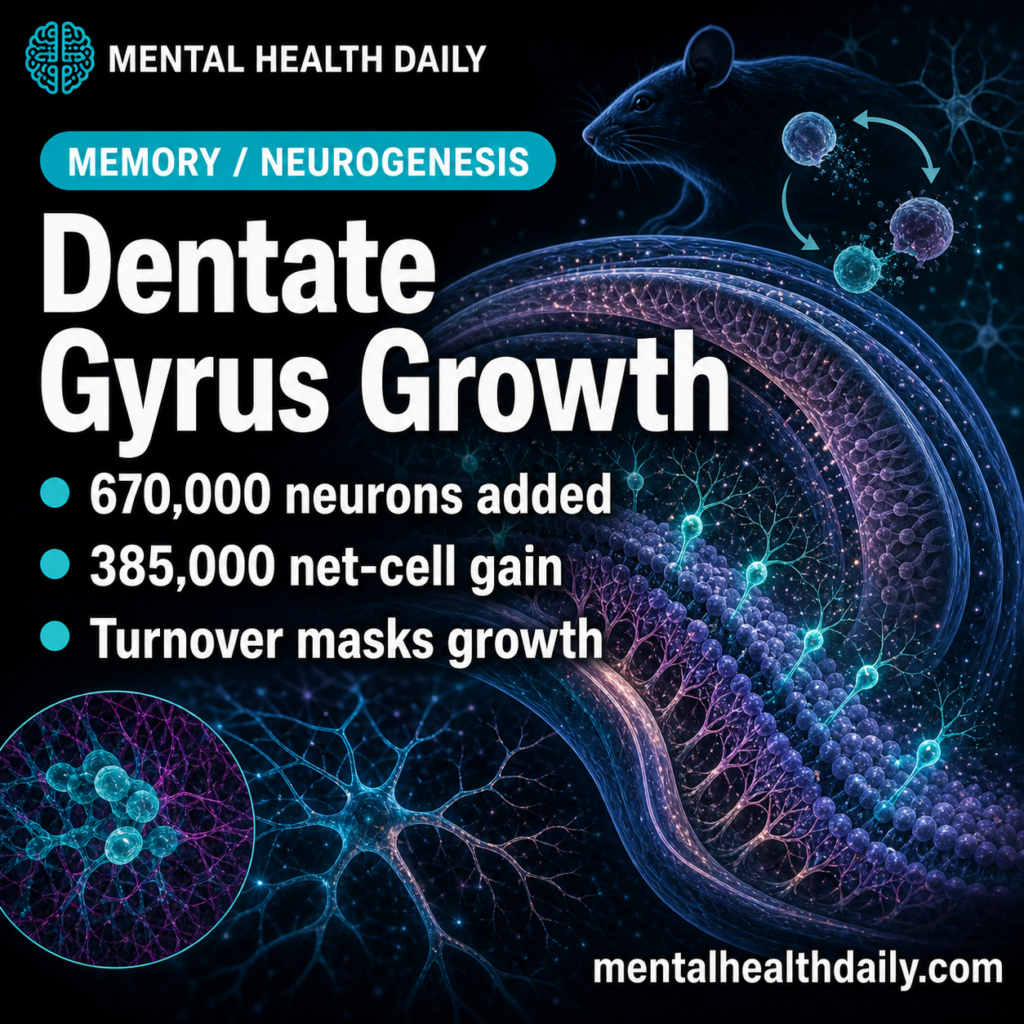
Adult Hippocampal Neurogenesis Added 670,000 Rat Dentate Neurons

MHD featured image for adult hippocampal neurogenesis and dentate gyrus neuron turnover.

A 2026 rat study estimated that adult hippocampal neurogenesis added 670,000 dentate gyrus granule neurons from 2 to 18 months of age, but the total dentate gyrus population grew by only 385,000 cells because older developmentally born neurons were also being lost.1 The result makes adult neurogenesis look numerically larger than the usual “tiny trickle” …

Read more

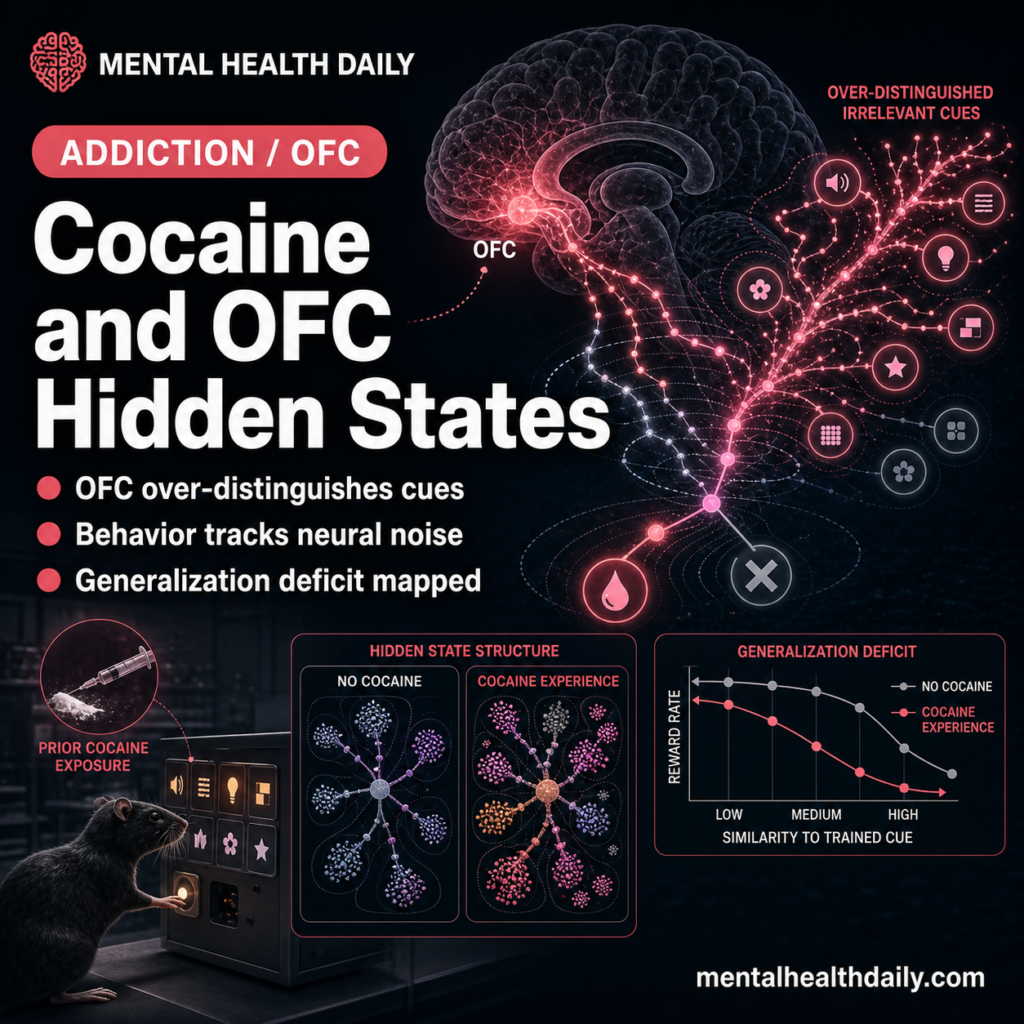
Prior Cocaine Use Disrupts Orbitofrontal Hidden-State Coding

MHD featured image for Prior Cocaine Use Disrupts Orbitofrontal Hidden-State Coding.

A 2026 eLife study recorded 3,881 lateral orbitofrontal cortex units in rats and found that prior cocaine use made the OFC over-distinguish task positions that controls treated as functionally equivalent. The headline result was not gross task failure: cocaine-experienced rats still performed the odor task, but their OFC ensembles showed higher S1-vs.-S2 decoding than sucrose …

Read more